Intel spins out RealSense with $50M in funding to focus on physical AI and robotics
Posted On July 11, 2025
0
3.0K Views
Intel is officially spinning out its robotics and AI computer vision unit, RealSense, as a standalone company, backed by $50 million in fresh funding from investors including MediaTek Innovation Fund and Intel Capital, according to a report from CNBC.
The move signals a bigger push by Intel to lean out and refocus, while still keeping one foot in the automation race. Intel Capital, its venture arm, is also being spun out alongside RealSense.

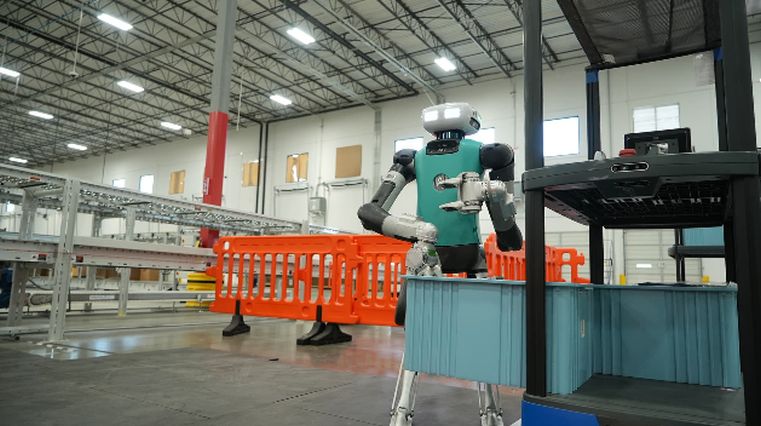
Credit: Intel RealSense
RealSense isn’t new—it started as Intel’s internal R&D initiative over a decade ago, originally known as Perceptual Computing. It launched its first 3D vision product in 2015 and has since grown into a specialized hardware maker for robotics and biometric automation. The company currently has about 130 employees across the U.S., Israel, and China, and supplies tech to autonomous robot makers like Eyesynth and Unitree Robotics.
Now with outside capital in hand, RealSense plans to develop new product lines and meet what it describes as “growing demand” from global robotics manufacturers.
“The timing is now for physical AI,” said Nadav Orbach, who will take the helm as CEO. Orbach previously served as Intel’s VP and general manager of incubation and disruptive innovation.
In an interview with CNBC, he added: “We want to develop new product lines. We see the demand and we see the need, and with where it’s at right now, the right thing for us was to raise external funds.”
That demand is coming from a robotics market heating up fast. Companies like Tesla, Amazon, and Nvidia are pouring resources into automation as AI use cases shift from digital-only to machines that can see, move, and act in the real world. Morgan Stanley recently projected that the humanoid robot market alone could hit $5 trillion by 2050. Nvidia CEO Jensen Huang called robotics the next big opportunity after AI. Salesforce CEO Marc Benioff even claimed AI is now doing 30% to 50% of his company’s work.
For Intel, the RealSense spinout is the latest in a long string of restructuring moves. After a historically rough year for its stock, the chip giant cut jobs, ousted CEO Pat Gelsinger, and sold off major assets, including a majority stake in its chip unit Altera.
Orbach says RealSense will stay focused on building accessible, safety-forward automation tools. Intel will keep a minority stake in the company but leave the new leadership team to steer the direction.

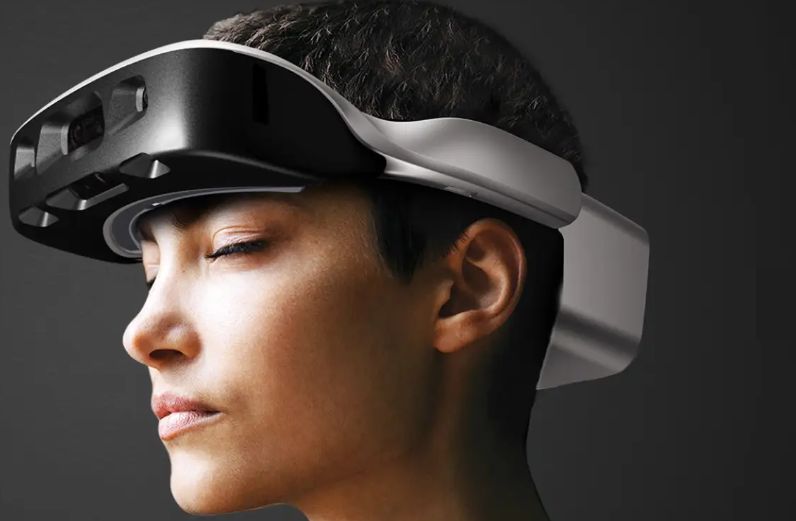
Credit: Intel RealSense