
Swiss AI startup nextesy raises $10.4M to automate accounting, payroll, and business administration with AI agents
 Daniel Levi
Posted On November 27, 2026
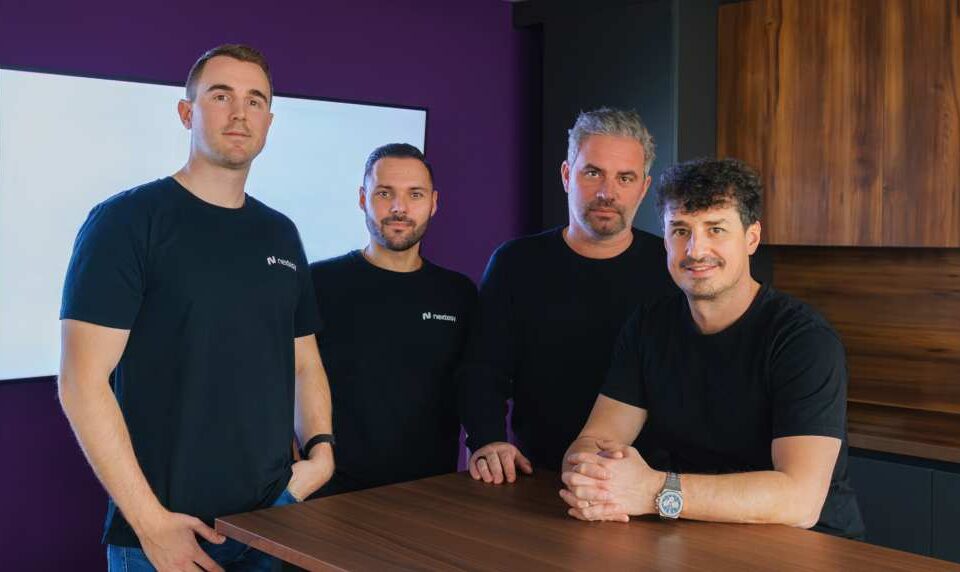
Small businesses spend countless hours managing invoices, processing payroll, reconciling accounts, and preparing financial statements. Swiss AI startup nextesy wants to give business owners that time back by building AI agents that can handle much of the work themselves.
The Zurich-based startup announced on Thursday that it had raised $10.4 million in seed funding led by Swisscom Ventures, with participation from HIAG Beteiligung Holding AG, Fifth Quarter Ventures, Herbert VC, Look AI Ventures, and several angel investors.
The financing ranks among the largest seed rounds in Switzerland’s AI sector, according to the company. The startup plans to use the fresh capital to accelerate customer acquisition, develop more autonomous AI agents, and expand internationally in 2027.
What makes nextesy particularly interesting is its early commercial traction. The company has attracted more than 2,000 customers shortly after its market launch, suggesting that demand for AI-driven business administration extends beyond the experimental stage.
Rather than adding AI features to conventional accounting software, nextesy has built its platform around AI from the ground up. The software serves small and medium-sized enterprises (SMEs), freelancers, and accounting and fiduciary service providers, bringing accounting, payroll, and invoicing into a single platform.
“Our customers love the product, and demand is exceeding our expectations,” says Dr. Milan Kuzmanovic, who takes on the role of Co-CEO following the funding round. “Now is the right time to step on the gas. With Swisscom Ventures and our other investors, we have partners on board who share our vision and will help us grow even faster, both in Switzerland and internationally next year.”
For investors, the opportunity lies in reducing the labor costs associated with business administration rather than simply selling another accounting software subscription.
“SMEs spend many times more on running their bookkeeping than on the software for it. nextesy is built on AI from the ground up and has the potential to shift that balance significantly,” says Stefan Kuentz, Managing Partner at Swisscom Ventures.
From Automated Bookkeeping to AI Agents That Close the Books
The next phase of nextesy’s development could take the company beyond routine accounting automation. Its ambition is to build AI agents that can independently perform increasingly complex administrative tasks, including the entire year-end financial closing process.
That’s a significant distinction. Traditional accounting software helps businesses record transactions and manage financial data, but much of the work still requires human intervention. AI agents could change that relationship by taking responsibility for completing tasks rather than simply providing the tools to perform them.
“Our goal is business administration that simply runs in the background,” says Kuzmanovic. “Entrepreneurs should be able to focus on their core business, not on receipts, bookings and closings.”
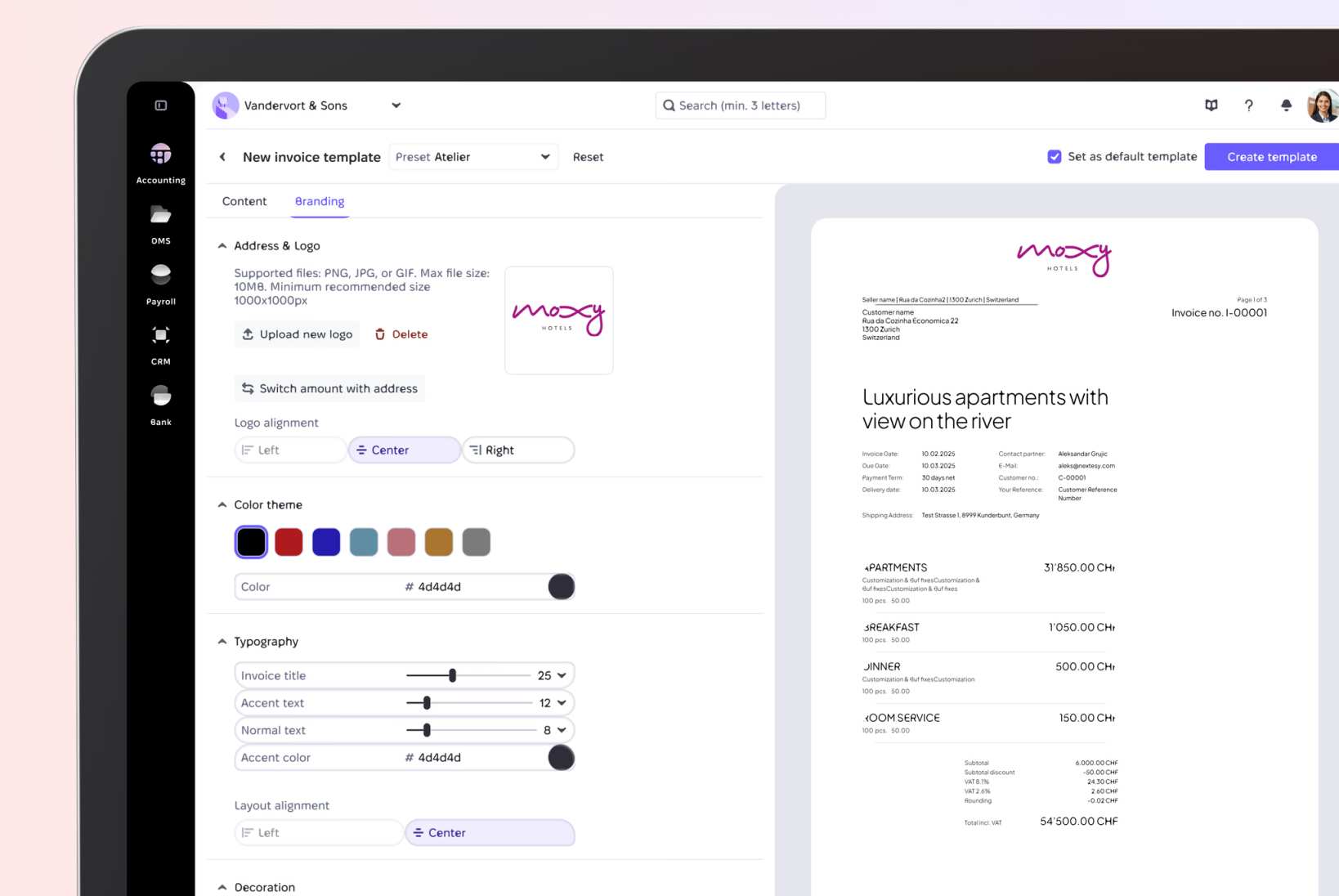
nextesy (Image credit: nextesy)
Fully automated year-end closing remains a development goal rather than a confirmed capability. Financial accuracy, regulatory compliance, auditability, and human oversight will be important factors as the company introduces more autonomous features.
The startup is already attracting attention outside Switzerland. At Slush in Helsinki, nextesy earned a place among the conference’s Top 20 startups, providing international exposure ahead of its planned overseas expansion in 2027.
The funding comes as AI startups increasingly shift their attention from general-purpose assistants to industry-specific applications with measurable financial returns. Accounting and business administration offer a particularly attractive opportunity: the work is recurring, businesses already pay for it, and automation benefits can be measured in both time and money.
For nextesy, the challenge now is turning early customer adoption into sustained growth and demonstrating that AI agents can reliably handle financial tasks where mistakes carry real consequences.
If the Swiss startup succeeds, small businesses could spend considerably less time maintaining their books and more time building their businesses.