Mercor raises $750M at $20B valuation, doubling its worth in just over a year with backing from Nvidia, Salesforce
 Daniel Levi
Posted On November 11, 2026
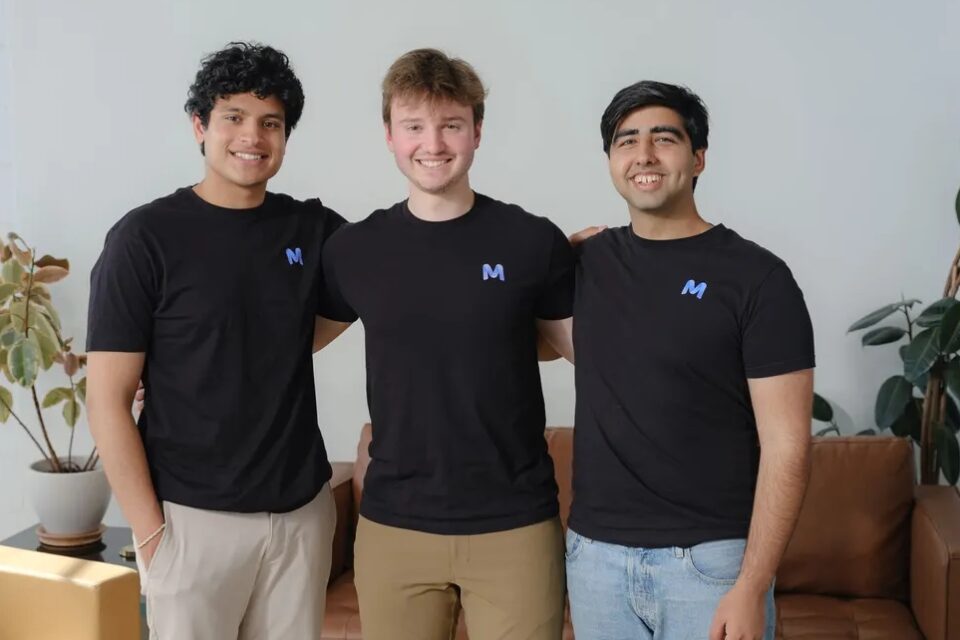
Mercor, an AI startup founded by three college dropouts in 2023, has raised $750 million in a Series D funding round at a $20 billion valuation, doubling its value in just over a year. The November 10 announcement marks another extraordinary milestone for a company that began as an AI hiring platform and has since become a major supplier of human expertise to the companies building advanced artificial intelligence systems.
The San Francisco-based startup attracted investments from Nvidia, Salesforce, Benchmark, Felicis, General Catalyst, G Squared, Sapphire Ventures, Zoom, and several other investors.
The financing comes just over a year after Mercor raised $350 million at a $10 billion valuation in October 2025, a deal that made its three co-founders, Brendan Foody, Adarsh Hiremath, and Surya Midha, the world’s youngest self-made billionaires at age 22.
The latest round included an employee-share tender, allowing some existing shareholders to sell their holdings. Mercor did not disclose how much of the $750 million represents fresh capital for the business versus proceeds from employee share sales.
The new valuation reflects investors’ growing appetite for companies supplying the expertise and infrastructure needed to make AI systems more reliable.
“This latest funding accelerates our investment in the infrastructure and research for evals and post-training and in building more environments where agents can learn complex workflows,” Mercor said in a blog post.
And Mercor has found itself in an increasingly valuable position. The company originally built software to match businesses with skilled workers. It later shifted its focus to supplying highly trained professionals who help AI developers teach, test, and refine their models.
Today, Mercor operates a network of more than five million professionals across fields including medicine, law, engineering, finance, and science.
Their expertise helps AI companies evaluate whether models can perform specialized tasks, identify errors, and improve their responses.
Mercor has worked with major AI developers, including OpenAI, Anthropic, Meta, and Nvidia.
The business has benefited from a shift in AI development. Training models on large collections of internet text is no longer enough for increasingly demanding professional applications. Developers need specialists who can assess whether AI systems perform real tasks correctly.
That demand has created an enormous commercial opportunity for companies connecting human knowledge with machine learning.
Why investors are betting billions on Mercor’s AI infrastructure
Mercor’s next opportunity goes beyond helping AI laboratories train models. The company wants to help businesses test and improve AI agents that perform everyday professional work.
Consider a law firm using an AI agent to review contracts. Producing a convincing legal summary is one thing. Following the firm’s procedures, identifying contractual risks, and meeting client requirements is another.
Mercor helps organizations develop evaluations that measure how reliably AI systems complete those tasks.
The startup’s acquisition of Deeptune earlier this year strengthened that effort. Deeptune developed simulated business environments where AI agents can practice complex workflows before being deployed in real organizations.
Mercor plans to direct its latest financing toward AI evaluations, post-training research, and simulated environments that help agents learn professional tasks.
“This latest funding accelerates our investment in the infrastructure and research for evals and post-training and in building more environments where agents can learn complex workflows,” Mercor said in its announcement.
The company’s ambitions reflect a growing challenge facing the AI industry: building intelligent models is expensive, but making those models dependable enough for businesses presents an entirely different problem.
Mercor is betting that measuring and improving AI performance will become a major business of its own.
The company still faces competition, pressure to maintain access to skilled professionals, and questions about the economics of relying on human expertise at scale.
Its $20 billion valuation reflects investor expectations, not proven comparable growth in profitability.
For Mercor’s young founders, the stakes have changed dramatically. What began as a hiring startup three years ago has become a multibillion-dollar bet on the human expertise behind artificial intelligence.
As businesses move from experimenting with AI to relying on it for real work, Mercor wants to become one of the companies determining whether those systems are ready.
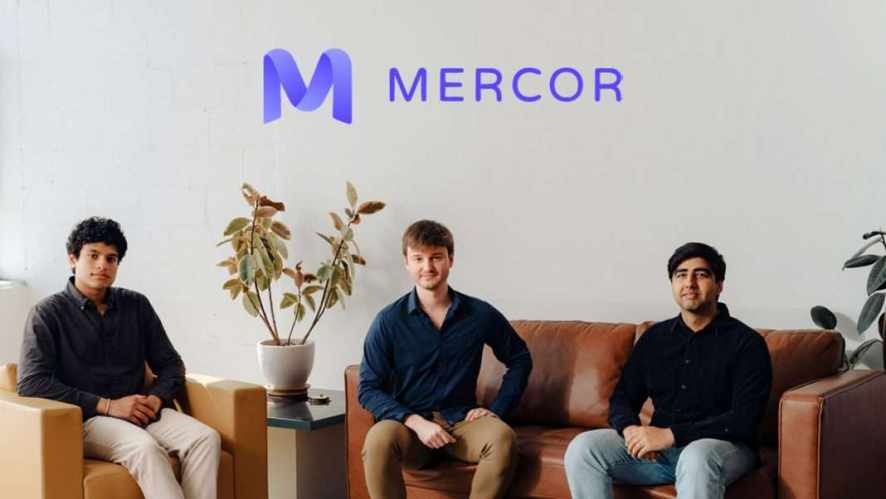
Mercor Founders