OpenAI seeks $1.4 trillion valuation in $30 billion funding push ahead of Anthropic IPO
 Nickie Louise
Posted On October 19, 2026
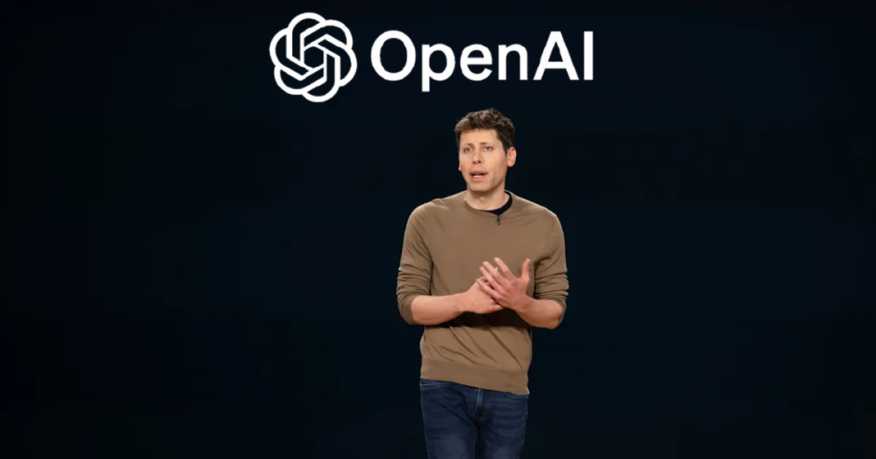
OpenAI is racing to raise roughly $30 billion at a valuation exceeding $1.4 trillion before rival Anthropic makes its expected stock market debut in November. The ChatGPT maker is moving to secure investor commitments ahead of what could become one of the biggest IPOs in history, setting up a high-stakes battle between two AI giants competing for the same pool of capital.
SoftBank, Abu Dhabi-based investment firm MGX, and existing OpenAI backers are in discussions to participate in the funding round, Reuters reported Monday, citing two people familiar with the matter.
“OpenAI is racing to secure investor commitments before rival Anthropic’s expected public market debut in mid-November, in an unusually fast fundraising that could value the ChatGPT maker at over $1.4 trillion,” Reuters reported.
The timing is no coincidence. Anthropic is preparing for a potential public listing in mid-November, and OpenAI wants to lock in commitments before investors get a closer look at its competitor’s financial performance.
The fundraising effort comes just seven months after OpenAI secured $122 billion in committed funding at an $852 billion valuation in March. A new valuation exceeding $1.4 trillion would represent an increase of more than 64%, putting the privately held AI company in the same financial league as some of the largest publicly traded technology businesses.
The proposed financing remains under discussion, and neither the fundraising amount nor the valuation has been finalized.
OpenAI’s $50 billion revenue run rate fuels trillion-dollar ambitions
Behind OpenAI’s aggressive fundraising strategy is an extraordinary claim about its revenue growth.
The company has told prospective investors that its annualized revenue reached $50 billion following the release of its GPT-6 Astra model. OpenAI expects that figure to climb to $70 billion by the end of 2026, Reuters reports.
Those figures represent annualized revenue based on current business activity, rather than sales already recorded over a full year.
OpenAI has been lowering prices for its smaller AI models, a strategy it says has increased usage. The company believes further price reductions could attract more customers and accelerate adoption.
At a $1.4 trillion valuation, OpenAI would be valued at approximately 28 times its current reported annualized revenue. Reaching its $70 billion year-end target would bring that multiple down to roughly 20 times, assuming the valuation stays unchanged.
Investors are betting that OpenAI can turn its growing customer base into a business that can support the staggering cost of developing and operating advanced AI systems.
The company still faces enormous infrastructure obligations. Funding data centers, securing computing capacity, and maintaining increasingly expensive AI models require billions of dollars in continuing investment.
The latest fundraising push could strengthen OpenAI’s balance sheet ahead of a potential 2027 IPO, particularly if financial market conditions deteriorate.
Anthropic’s looming IPO puts pressure on OpenAI
OpenAI’s urgency reflects a deeper struggle for financial dominance in artificial intelligence.
Anthropic, the company behind Claude, has emerged as a formidable competitor, particularly among enterprise customers and software developers. The startup’s annualized revenue reportedly reached approximately $65 billion in July. Its quarterly revenue climbed from $11.6 billion in the second quarter to $16.8 billion in the third quarter, according to figures shared with investors.
Yet Anthropic’s growth has not eliminated concerns about its valuation.
Some investors have pushed for an IPO valuation closer to $1.5 trillion, below the previously discussed $2 trillion target, following weaker-than-expected third-quarter results and signs of slowing monthly revenue growth.
That reassessment creates an unusual opportunity for OpenAI to establish its own valuation before Anthropic begins trading publicly.
“OpenAI could want to set its own valuation and not have to worry about a comp (comparison),” Edward Best, co-chair of capital markets at Willkie Farr & Gallagher, told Reuters. “It’s really a two-horse race in terms of being public.”
The companies face another challenge: investors must compare financial results prepared using different revenue accounting approaches.
OpenAI reports revenue after deducting certain payments to partners. Anthropic counts the gross value of contracts sold through third-party cloud providers, an approach it says follows established accounting practices. OpenAI has questioned whether that method overstates its rival’s revenue.
The fundraising race is unfolding against a less forgiving market backdrop. AI infrastructure stocks have faced selling pressure, rising borrowing costs, and investor questions about returns on massive data center investments.
Cloud infrastructure provider CoreWeave recently came under scrutiny over nearly $50 billion in borrowings, adding to concerns about the debt financing the AI buildout. Companies in the Philadelphia Semiconductor Index have lost approximately $1.6 trillion in market value in less than two weeks.
For OpenAI, the stakes extend far beyond another record-setting funding round. A successful deal could provide fresh capital for its infrastructure commitments and establish a valuation benchmark ahead of Anthropic’s public debut.
The bigger question is whether either company can eventually generate enough profit to justify the trillion-dollar expectations investors are placing on artificial intelligence.

OpenAI CEO Sam Altman