Microsoft plans new Copilot features inspired by OpenClaw
 Nickie Louise
Posted On April 13, 2026
Nickie Louise
Posted On April 13, 2026

Microsoft is reworking its AI strategy at a critical moment. According to a report from The Information, the company is developing new features that would reshape Copilot into a more autonomous assistant—one that can take action on behalf of users.
The shift comes as competition for enterprise AI customers intensifies. Rivals like Anthropic and OpenAI are pushing systems that can complete multi-step tasks with little supervision. Microsoft now appears ready to follow a similar path, drawing direct inspiration from OpenClaw, an open-source project that has quickly gained traction across the developer community.
“A newly created team under Microsoft corporate vice president Omar Shahine is “exploring the potential of technologies like OpenClaw in an enterprise context,” including a team of always-on agents that would be able to work 24/7. This initiative aims to build Copilot features inspired by the open-source AI agent, potentially to be showcased at an upcoming Build conference,” The Information reported.
The move comes just a month after Microsoft turned to Anthropic’s Claude to power Copilot Cowork, its early step into autonomous AI agents.
Microsoft’s Next Copilot Play: OpenClaw-Inspired Agents That Work for You 24/7
At the center of this push is a small internal group led by Microsoft corporate vice president Omar Shahine. The team, informally known as “Ocean 11,” is focused on building what Shahine describes as a new kind of assistant—one that works in the background and takes action without constant prompts. In his own words: “a new generation of proactive assistants, ones that lighten your load by taking on tasks end-to-end, and that they can also step in proactively when they can help.” He added, “People are hungry for this. Not another chatbot. Not another tool that helps when you remember to ask. An always-on agent that works on your behalf, 24/7, with real access to your real life.”
That vision mirrors what has made OpenClaw stand out. Created by developer Peter Steinberger, the system runs locally and integrates with everyday tools such as WhatsApp, Telegram, Slack, and Discord. It can clear inboxes, send messages, manage calendars, browse the web, and execute commands across a machine. It keeps context over time and can run tasks continuously, supported by a growing ecosystem of plugins built by its community.
OpenClaw
Adoption has been swift. In a matter of weeks, OpenClaw drew hundreds of thousands of stars and forks on GitHub, with developers using it to automate workflows that would normally require hours of manual effort. Some run it for code testing and pull requests. Others use it for travel check-ins or home automation. The appeal is simple: it behaves less like a tool and more like a digital operator.
Microsoft has already started bridging the gap between its own products and that model. A Microsoft Teams plugin for OpenClaw is live, giving agents a presence inside chats and channels. Inside Microsoft 365, Copilot already includes early building blocks—workflow automation, a cross-app search layer, and a research agent that draws from multiple models at once. The company has even incorporated ideas similar to Anthropic’s long-running task systems.
Still, the urgency is hard to miss. Reports suggest only a small share of Office 365 customers pay for Copilot today. That puts pressure on Microsoft to make the product more compelling, especially as competitors move quickly in the same direction. The focus has shifted from answering questions to doing the work.
Security remains a sticking point. OpenClaw’s deep system access has raised concerns among enterprises that need tighter control over data and permissions. Microsoft is leaning on its existing infrastructure—identity management, isolation layers, and cloud protections—to make a safer version of this approach viable at scale.
Details on the new Copilot capabilities have not been released. Early signals point to a possible preview at Microsoft Build 2026 in San Francisco. If the effort lands as intended, Copilot could evolve into a true digital coworker—handling emails, updating schedules, generating reports, and coordinating tasks across the Microsoft 365 suite without constant input.
This moment says a lot about where AI is heading. The next wave is less about who has the smartest model. It’s about who can turn that intelligence into systems that act, persist, and fit naturally into daily work. Microsoft, with its reach across enterprise software, is positioning itself to compete on that front.
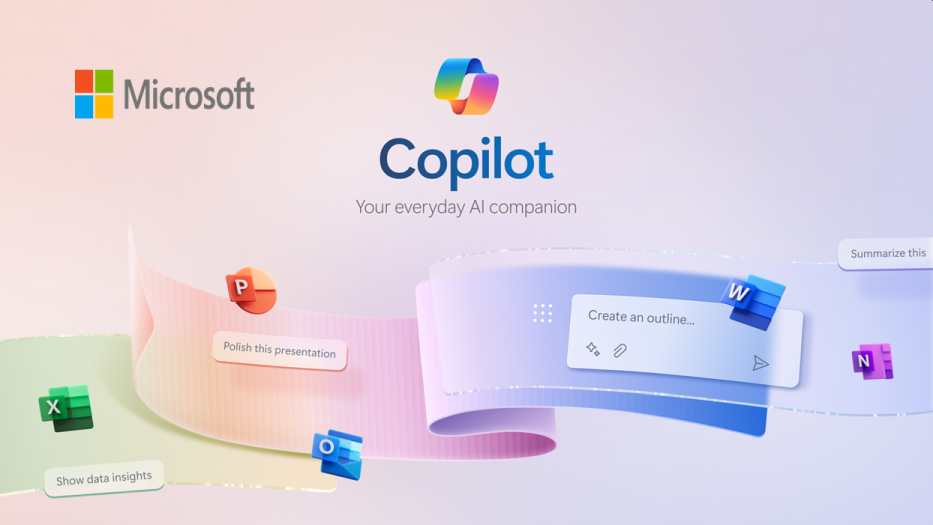
Microsoft CoPilot
Trending Now
Top Tech News Today, March 25, 2026