China supercomputer hacked: Hackers claim they stole 10 petabytes of China’s military secrets from National Supercomputing Center in massive data breach
 Daniel Levi
Posted On April 8, 2026
Daniel Levi
Posted On April 8, 2026
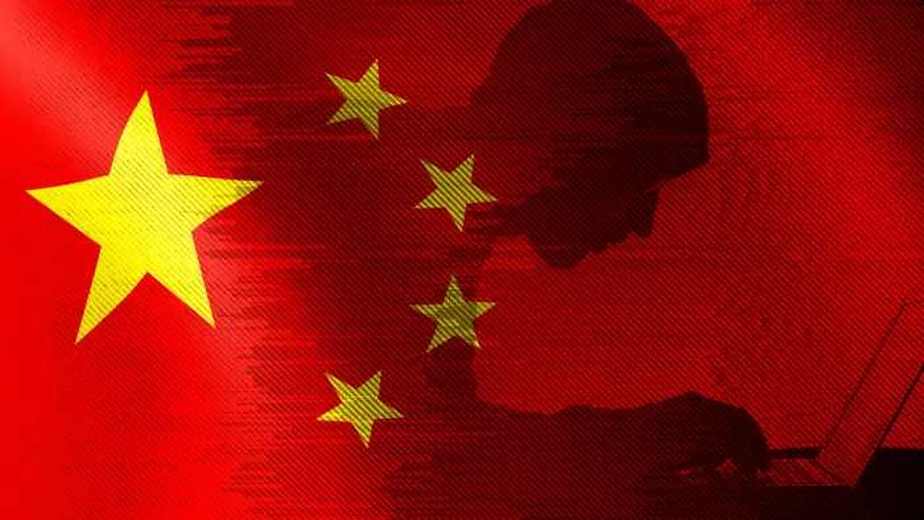
An unknown hacker group claims they breached one of China’s most critical supercomputing facilities, stealing more than 10 petabytes of data—potentially one of the largest exfiltrations of sensitive information ever reported.
The alleged target is the National Supercomputing Center in Tianjin, a state-backed facility that supports thousands of institutions across China. Its systems handle advanced scientific workloads tied to aerospace, defense research, and high-performance simulations. According to reports gaining traction on April 8, 2026, the attacker claims to have extracted a massive archive that includes missile schematics, weapons testing data, aerospace simulations, and other classified materials.
“A hacker has allegedly stolen a massive trove of sensitive data – including highly classified defense documents and missile schematics – from a state-run Chinese supercomputer in what could potentially constitute the largest known heist of data from China,” CNN reported.
According to CNN, the story first appeared quietly on hacker forums earlier this year. It stayed under the radar for weeks, circulating in niche corners of the internet. That changed once mainstream coverage picked it up, pushing searches related to China’s supercomputing infrastructure to the top of global trends.
China’s Supercomputing Center Breach: Hackers Claim 10+ Petabytes of Military Secrets Stolen
The individual or group behind the claim has been linked to aliases such as “Flaming China,” with accounts like @sparrowstrike1 appearing in posts tied to the breach. According to those posts, access came through a compromised VPN domain connected to the facility. After getting inside, the attacker says they deployed automated tools to pull data at scale, steadily extracting files over time.
Samples have since appeared on Telegram channels and dark web forums, including BreachForums. The full dataset is reportedly being offered for sale at a surprisingly low price—around 10 Monero coins, which translates to roughly $3,700 based on recent values. Cybersecurity researchers who reviewed portions of the leaked material say the files appear credible. The samples include hypersonic simulation data, nuclear modeling work, radar system tests, and engineering designs tied to military hardware.
The Tianjin center sits at the core of China’s high-performance computing network. It supports more than 6,000 users, ranging from universities and state-owned enterprises to defense contractors. These systems run the simulations behind next-generation aircraft, missile programs, and advanced materials research. The scale of what’s claimed in this breach raises serious questions about how such an environment could be accessed at all.
There is still no official confirmation from Chinese authorities. Independent verification remains difficult, given the size of the dataset and the sensitivity of the material. Yet the volume of leaked samples, combined with early expert assessments, has pushed many analysts to take the claim seriously.
Cybersecurity experts who reviewed samples of the leaked data and interacted with the alleged attacker say the breach may have been carried out with surprising ease. According to those familiar with the material, the attacker appears to have maintained access for months, quietly extracting massive volumes of data without triggering detection.
An account identifying itself as “FlamingChina” posted a sample of the dataset on an anonymous Telegram channel on February 6, claiming it included “research across various fields including aerospace engineering, military research, bioinformatics, fusion simulation and more,” according to a CNN report.
If the breach holds up, the implications extend far beyond China. Access to this kind of data could give foreign intelligence services insight into years of research and development. It could reveal strengths, expose weaknesses, and shift the balance in ongoing military competition.
There’s an added layer of irony. China has long been accused by Western governments of backing cyber operations targeting foreign infrastructure and intellectual property. Now, the narrative flips, placing Beijing in a defensive position in the same arena.
China’s investment in supercomputing has been central to its push for technological leadership. Facilities like the Tianjin center form the backbone of that effort, supporting both civilian science and defense programs. U.S. policymakers have repeatedly flagged the dual-use nature of these systems as a security concern.
This incident, if confirmed, stands apart from typical data leaks. The scale alone sets it in a different category. One analyst summed it up bluntly: if a facility like this can be breached, it challenges long-held assumptions about what counts as secure.
For now, investigators and cybersecurity firms are combing through the available samples, trying to separate signal from noise. Governments are watching closely for signs that the data is being sold or transferred. The attacker’s decision to sell access rather than release everything at once suggests a financial motive, though it leaves open the possibility that state actors could step in as buyers.
The situation is still unfolding. Each new detail will shape how this incident is understood. What’s already clear is that the breach, real or overstated, has exposed a deeper truth: the systems that power modern military and scientific progress are connected, and that connection carries risk.
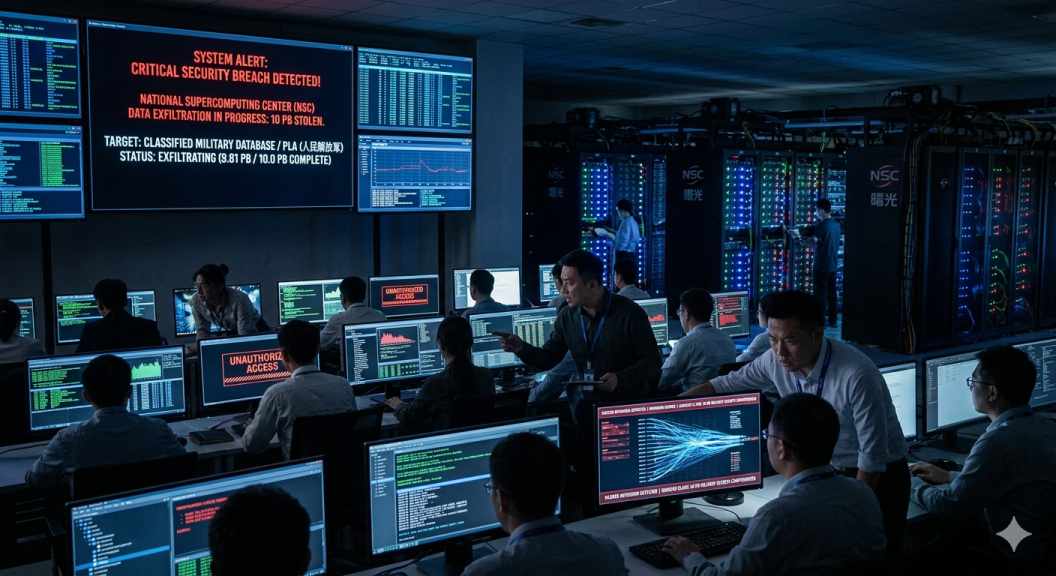
Hackers Claim They Stole 10 Petabytes of China’s Military Secrets from National Supercomputing Center in Massive Data Breach
Trending Now
Top Tech News Today, March 25, 2026