PickMyBrain raises $2.1M to turn experts into AI ‘Digital Brains’ and monetize knowledge at scale
 Daniel Levi
Posted On April 1, 2026
Daniel Levi
Posted On April 1, 2026
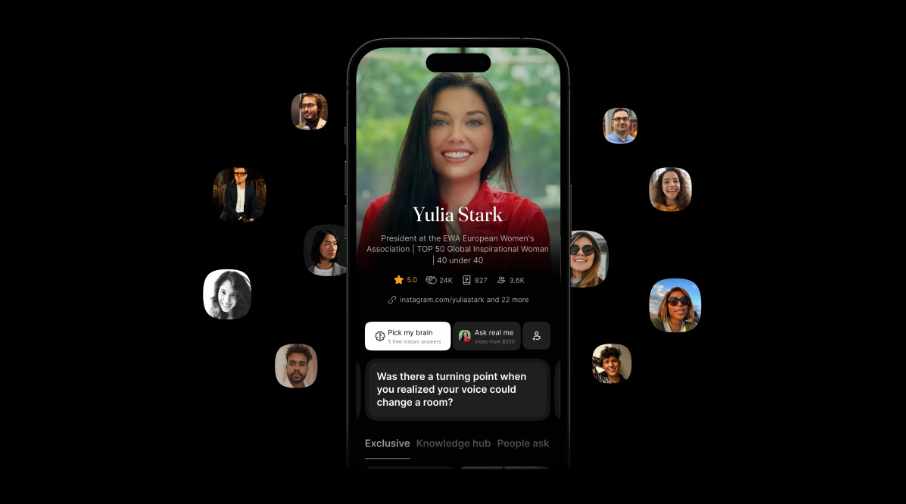
A new wave of AI startups is chasing a simple idea: people don’t want more content, they want better answers. PickMyBrain is betting that the best answers still come from real experts—and it just raised $2.1 million to prove it.
The Tallinn-based startup is building what it calls “Digital Brains,” AI models trained on an individual expert’s knowledge. The goal is straightforward. Instead of asking a generic chatbot, users get responses shaped by a specific person’s experience, voice, and judgment.
The company says more than 1,000 experts have already joined the platform. That list includes Slush founder Peter Vesterbacka and World Cup winner Paul Pogba, along with executives such as Bozoma Saint John, who has held senior roles at Netflix, Uber, Apple Music, and Pepsi.
The funding round was backed by a group of angel investors, including Garri Zmudze, an early investor in Insilico Medicine, as well as Raison.app and other private investors. Pickmybrain plans to use the capital to grow its team, expand into new markets, and continue building out its product.
From creator economy to expert economy: How AI startup Pickmybrain shifts value from content to answers
The pitch lands at a moment when AI personas and digital likenesses are gaining traction. From celebrity AI twins to virtual influencers, the idea of turning identity into software is moving from novelty to business model. PickMyBrain takes a more practical route. It focuses on expertise rather than personality alone.
The platform works by training AI on structured inputs from the expert interviews, articles, books, and recorded responses. Each expert controls what goes into that system. For those without a large body of published material, PickMyBrain offers tools to record and build that knowledge base from scratch.
That distinction matters. Many AI tools rely on broad internet data. Pickmybrain is trying to anchor its responses in curated, consented material tied to a specific individual.
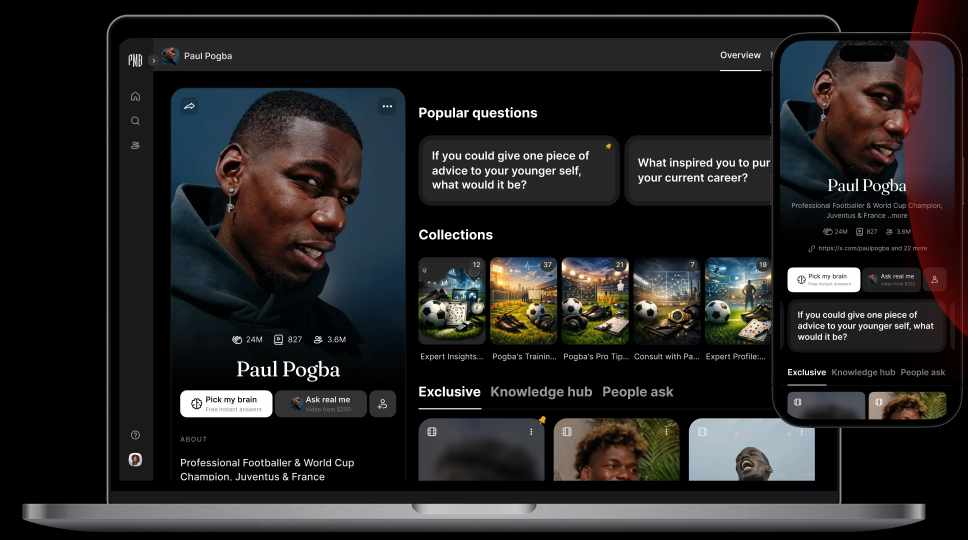
There is another layer to the model. Routine questions are handled by AI. More complex or high-value questions are routed directly to the expert, who responds through one-on-one asynchronous video. That hybrid approach aims to keep the human element intact without limiting scale.
“While AI is often framed as a threat to jobs, it’s also creating new ways for professionals to share and monetize their expertise,” said Sergei Verbitski, founder of Pickmybrain, a serial entrepreneur with four exits and $400 million in combined revenue across AdTech, trading, iGaming, and digital marketing.
He added, “There’s an emerging layer of personalization: AI models built around a specific human’s knowledge, not just broad internet data. Just like Patreon helped creators monetize content, we are enabling professionals to monetize their expertise without becoming full-time content producers or mentors. Looking ahead, these Digital Brains will evolve into AI assistants that enhance workflows, maintain context over time, and act as persistent team members.”
The company is positioning itself against the attention-driven creator economy. Instead of chasing views, followers, or ad revenue, Pickmybrain is leaning into direct transactions tied to useful answers. Users pay for access to expertise. Experts earn from the value of their time and insight, without constant posting or content churn.
That shift reflects a broader trend. As AI lowers the cost of generating content, the value of trusted, experience-backed answers rises. PickMyBrain is building around that gap.
The real test will come down to quality. If users feel they are getting advice that reflects the thinking of a real person—not a stitched-together summary—then the model has a chance to stick. If not, it risks blending into the growing list of AI tools that promise personalization but deliver only the average.
For now, Pickmybrain has early traction, recognizable names, and fresh capital. It is stepping into a crowded AI market with a clear thesis: people don’t need more information. They need access to the right minds.
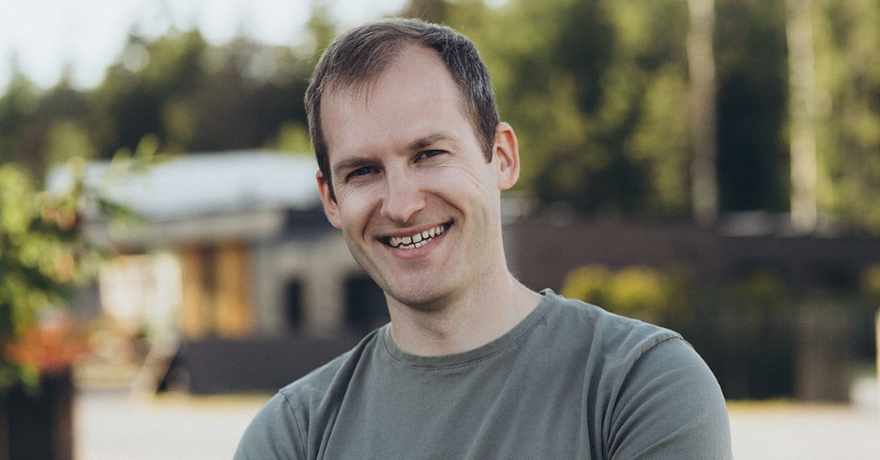
PickMyBrain founder Sergei Verbitski
Trending Now
Top Tech News Today, March 25, 2026