Amazon acquires humanoid robotics startup Fauna to expand into consumer robots market
 Daniel Levi
Posted On March 25, 2026
Daniel Levi
Posted On March 25, 2026
Amazon is making a bigger bet on humanoid robots—and this time, it’s going straight into the home.
The e-commerce giant has acquired Fauna Robotics, a New York-based robotics startup building compact, human-friendly robots for everyday use. The deal, first reported by Bloomberg, brings Fauna’s team and technology into Amazon’s growing robotics push. Terms were not disclosed.
“Amazon.com Inc. acquired New York-based startup Fauna Robotics, becoming the latest technology giant to step into the burgeoning consumer humanoid market. The cloud-computing and e-commerce giant closed the deal for Fauna last week,” Bloomberg reported, citing people familiar with the purchase, who requested anonymity to discuss a private matter.
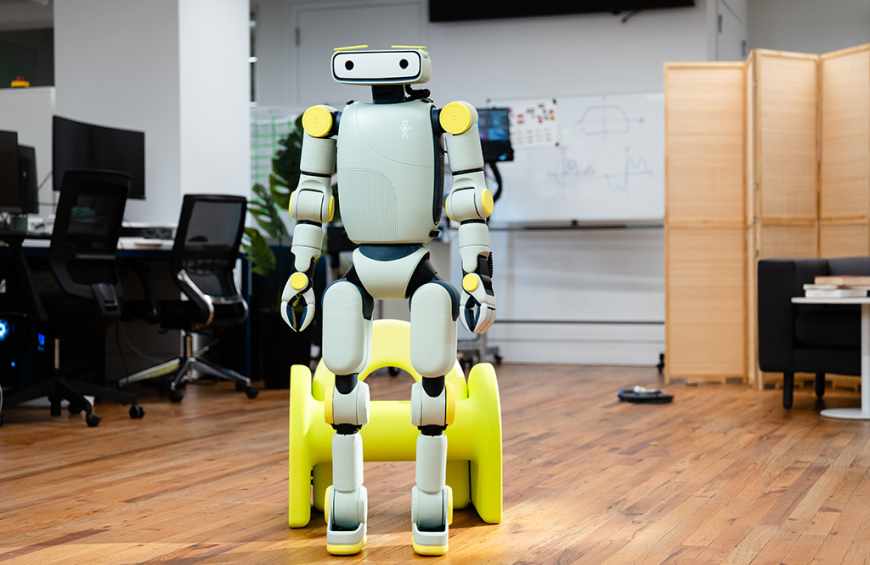
At the center of the acquisition is Sprout, Fauna’s 3.5-foot bipedal robot priced at $50,000. Built to feel approachable rather than industrial, Sprout reflects a different take on robotics—one aimed at homes, retail spaces, and developer experimentation, not just warehouses and factories.
“We are excited about Fauna’s vision to build capable, safe, and fun robots for everyone,” an Amazon spokesperson told CNBC in a statement. “Together with Amazon’s robotics expertise and decades of experience earning customer trust in the home through our retail and devices businesses, we’re looking forward to inventing new ways to make our customers’ lives better and easier.”
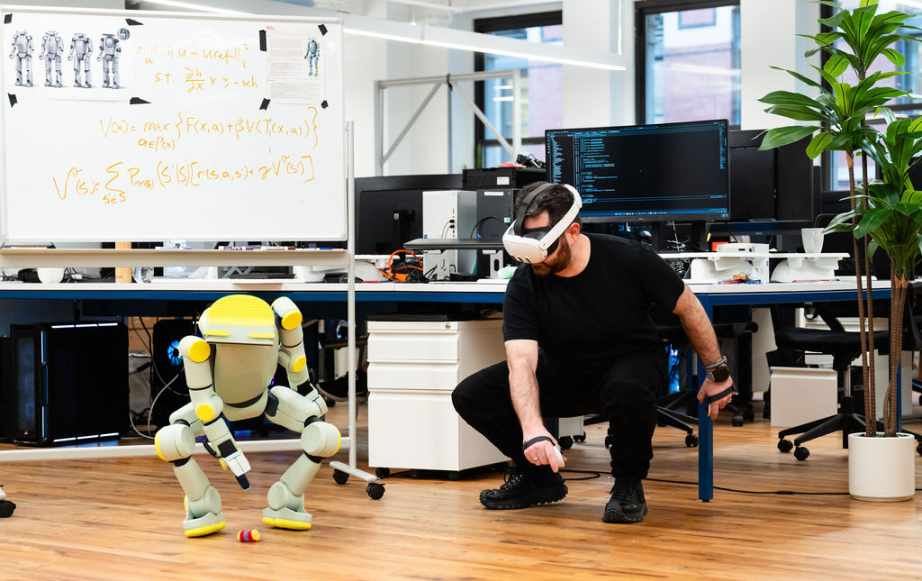
Fauna Robotics (Courtesy: Fauna Robotics)
Fauna launched in 2024, founded by former Meta and Google engineers. In a short time, the startup secured early customers, including Disney and Boston Dynamics, signaling interest from both entertainment and advanced robotics players. It’s roughly 50 employees will join Amazon and continue operating under the Fauna Robotics name.
In a LinkedIn post, co-founder and CEO Rob Cochran called the move a turning point for the company. “We are thrilled about what joining the Amazon team means for our future,” he wrote. “Going forward, we will proudly operate as Fauna Robotics, an Amazon company.”
Inside Amazon’s Push Beyond Logistics and Into Everyday Robotics
For Amazon, the deal extends its robotics strategy, which has largely focused on logistics. The company’s 2012 acquisition of Kiva Systems laid the groundwork for its warehouse automation network, now one of the largest in the world. More recently, Amazon has started looking beyond fulfillment centers. Last week, it confirmed the acquisition of Swiss startup Rivr, which builds robots for doorstep delivery.
Fauna adds something different: a path into consumer-facing humanoid machines.
Amazon has explored this space before. Its Astro home robot, released in 2021, offered a glimpse of how the company sees robotics fitting into everyday life. The device, priced at $1,600 and sold by invitation, never reached mass adoption. Fauna’s technology suggests a more ambitious direction, one that leans into humanoid design and broader functionality.
The timing matters. Big Tech and venture-backed startups are racing to define what humanoid robots will look like—and who will build them at scale. Tesla is developing Optimus, with CEO Elon Musk saying the company aims to produce up to a million units annually. Startups including Figure AI, Apptronik, Agility Robotics, and China’s Unitree are advancing their own designs.
Amazon’s move signals that consumer robotics is no longer a side experiment. It’s becoming a new front in the competition to bring AI into the physical world.
For startups, that shift opens a window. Demand for software, developer tools, and specialized hardware around humanoid systems is likely to grow. For Big Tech, it raises the stakes. The companies that win here won’t just build software—they’ll shape how people interact with machines in their homes and workplaces.
Amazon is now firmly in that race.
Trending Now

Top Tech News Today, March 23, 2026