Senior care startup Sage raises $65M to bring AI-powered monitoring to nursing homes
 Nickie Louise
Posted On March 5, 2026
Nickie Louise
Posted On March 5, 2026

America’s senior care system is heading into a demographic squeeze. By the end of the decade, tens of millions more Americans will be over retirement age, and nursing homes and assisted living centers are already struggling to staff enough caregivers.
A New York startup thinks artificial intelligence can help close part of that gap.
Sage announced Thursday it has raised $65 million in Series C funding to scale its AI platform built for nursing homes and senior living communities. The round was led by Goldman Sachs Alternatives, with participation from existing investors IVP and Goldcrest.
The new capital brings Sage’s total funding to $124 million.
With $65 million in funding, Sage aims to expand AI-assisted care for ageing Americans
The company is building technology meant to give caregivers earlier signals when residents may be in distress. In many facilities today, staff still rely on pagers, paper logs, and walkie-talkies to keep track of residents during a shift.
Sage co-founder and CEO Raj Mehra believes that approach no longer fits the realities of modern care.
“Every caregiver I talk to says the same thing: current tools are not built for how care actually works, contributing to chaotic environments that fail both caregivers and residents,” Mehra said.
Sage installs sensors in resident rooms that scan for signs of distress every few seconds. The system alerts staff in real time when something unusual happens, directing the right caregiver to respond.
“This new round of funding gives us the ability to put caregivers at the center of innovation—delivering real-time intelligence, and convening an inaugural caregiving summit this fall to ensure their voices shape the future of the industry,” Mehra said in a blog post.
The startup says the technology can cut response times to about 3 minutes, compared with delays of nearly 45 minutes in facilities without automated monitoring.
The company plans to further develop the system with predictive AI. The software tracks patterns such as changes in sleep, nighttime movement, and bathroom frequency. Shifts in those patterns may signal that a resident faces a higher risk of falling or declining health. Care teams receive alerts earlier, giving them time to intervene.
The approach reflects a broader shift in senior care. Facilities have long reacted after an incident occurs, often when a fall or medical issue has already escalated into an emergency.
Sage wants the platform to flag warning signs before that point.
The company says privacy remains a core design principle. Cameras are not used. Only the event that triggers an alert is reviewed by authorized staff, and the associated data is deleted within 30 days.
The timing of the funding coincides with a major demographic shift. According to data cited by Sage from S&P Global, 72 million Americans will reach retirement age by 2030. Senior care providers are already short about 1.8 million licensed caregivers, and turnover across the industry sits near 79%.
Those pressures have forced operators to look for tools that help smaller teams care for more residents.
Sage says its platform integrates with widely used electronic health record systems, including ALIS, August Health, ECP, PointClickCare, and Yardi. The system aggregates data into a single view that surfaces alerts, risk signals, and resident information during a caregiver’s shift.
The company claims facilities using its platform have recorded a 50% drop in falls, 50% faster response times, and about $275 in additional monthly operating income per resident.
Sage follows a model familiar across enterprise software. The company covers the upfront installation of sensors and charges communities a recurring monthly subscription.
Investors see the category entering a new phase.
“We are experiencing a structural shift in the senior care market, necessitating a complete modernization of its underlying technology,” said Antoine Munfa, managing director within Growth Equity at Goldman Sachs Alternatives.
Sage plans to use the new capital to deepen its work in skilled nursing facilities, one of the most heavily regulated corners of healthcare. The company says those environments stand to gain the most from early-warning systems that detect risks before incidents occur.
The startup is planning another effort aimed directly at caregivers. In fall 2026, Sage will host its first Caregiver Summit in New York City, bringing together frontline workers, senior living operators, and industry leaders to discuss how technology should evolve inside care facilities.
Mehra says the goal is to keep caregivers involved in shaping the tools they rely on.
For a sector that has operated with outdated systems for decades, the pressure to modernize is mounting. The aging population is growing faster than the workforce available to care for it.
Sage is betting that AI-driven monitoring can help fill part of that gap.
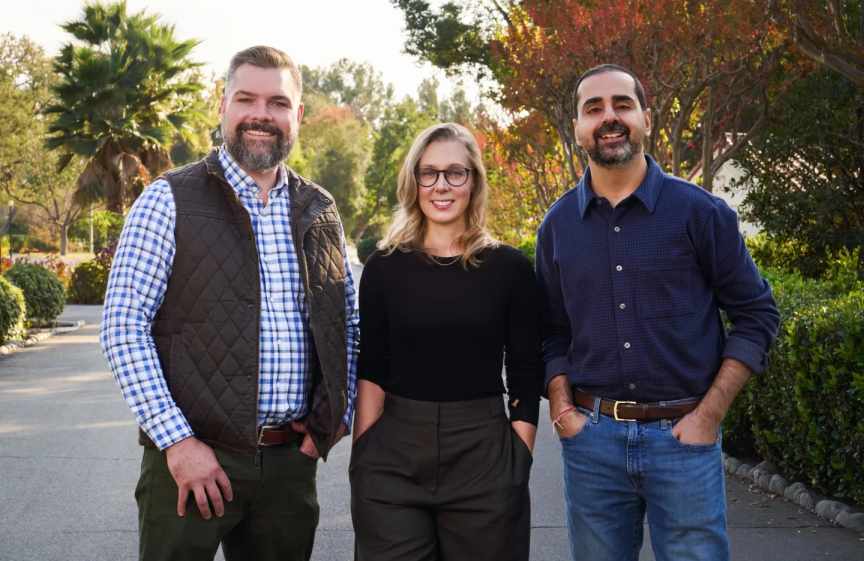
Sage cofounders Matt Lynch, Ellen Johnston, and Raj Mehra (Credit: Victoria Wall Harris)
Trending Now

Top Tech News Today, March 23, 2026