Form Energy lands $1B Google deal for 100-hour iron-air battery, eyes IPO
 Nickie Louise
Posted On February 26, 2026
Nickie Louise
Posted On February 26, 2026
Google’s race to secure clean, reliable electricity for its data centers just delivered one of the clearest signals yet about where long-duration storage is headed. Form Energy, the Weirton, West Virginia-based iron-air battery startup, has landed a $1 billion commitment tied to a new Google data center project, according to an exclusive report from The Information.
The agreement, announced through utility partner Xcel Energy, calls for what is described as the largest battery system ever announced by energy capacity.
The planned installation will deliver 300 megawatts and 30 gigawatt-hours of storage, capable of running at full output for 100 hours straight. The system is expected to support Google’s new facility in Pine Island, Minnesota, backing up services such as Search, YouTube, Maps, and Workspace with firm renewable energy.
“The Weirton, West Virginia iron-air battery startup is raising $500 million, has IPO plans next year and just landed a big deal powering a Google data center,” The Information reported.
Iron-air battery startup Form Energy scores $1B Google agreement for AI-era power
Courtesy: Form Energy
The project sits inside Google’s Clean Energy Accelerator framework, which commits the company to fund 1,900 megawatts of new carbon-free generation on the Xcel grid. That package includes 1,400 megawatts of wind, 200 megawatts of solar, and the Form Energy battery system, alongside a $50 million contribution to Xcel’s Capacity*Connect Program aimed at strengthening grid reliability.
Google has agreed to cover all grid upgrade costs tied to the data center, a structure meant to avoid passing new expenses on to existing customers. Minnesota residential rates currently sit 27% below the national average. The plan still requires approval from the Minnesota Public Utilities Commission.
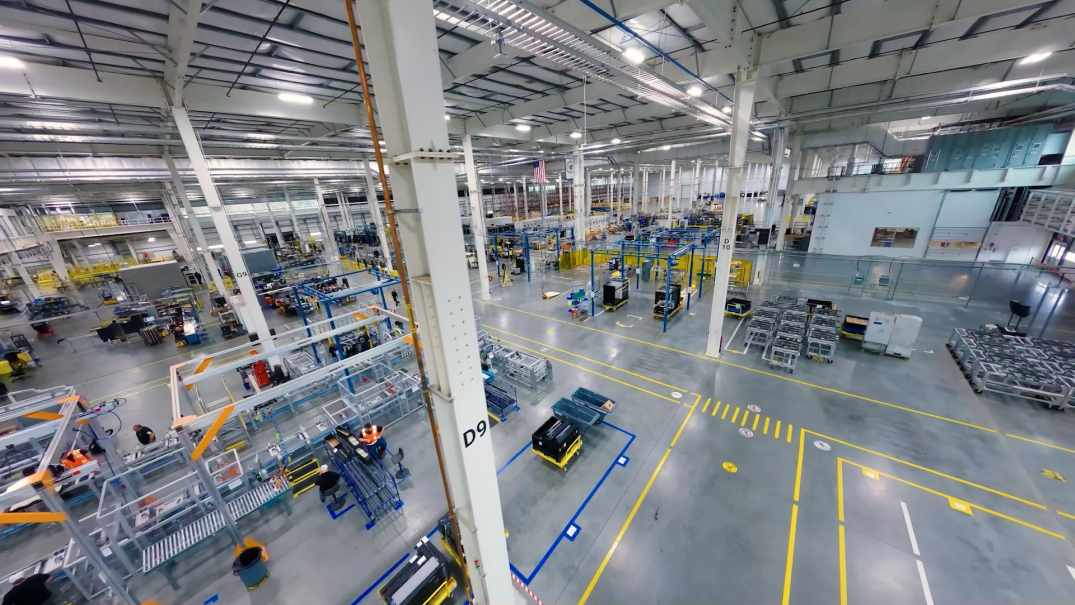
At the center of the deal is Form Energy’s iron-air technology, which stores electricity by rusting and reversing rust on iron electrodes. The chemistry relies on iron, water, and air, materials the company argues can deliver multi-day storage at far lower cost than lithium-ion systems and without the risk of thermal runaway. The batteries ship in standard 40-foot containers and are produced at the company’s Form Factory 1 in Weirton.
Form is working toward an annual production capacity of 500 megawatts by 2028, the same year deployment of the Google project is expected to begin. That timeline reflects the company’s deliberate manufacturing ramp. CEO Mateo Jaramillo has repeatedly stressed the engineering discipline behind the rollout. “There aren’t any shortcuts,” he told Heatmap News, pointing to a process that involved producing 100,000 electrodes over 18 months before moving to second-generation cells that deliver 20% more output using the same chemistry.
The scale of the Google installation far exceeds Form’s first commercial effort, a 150-megawatt-hour system with Great River Energy in Minnesota, scheduled to come online this year. Industry observers see the new project as a major validation moment for iron-air storage, a category many utilities have watched closely but adopted cautiously.
The timing matters for Form’s capital strategy. Axios reported in January that the company is seeking between $300 million and $500 million in what is expected to be its final private round ahead of a planned public offering in 2027. Form has raised more than $1.2 billion in equity to date, including a $405 million Series F round led by T. Rowe Price in late 2024.
Jaramillo has framed the company’s 100-hour battery as a direct alternative to natural gas peaker plants in capacity markets, arguing that grid operators need pricing structures that reward multi-day reliability. The Google and Xcel arrangement now offers a real-world test case for that thesis, particularly as hyperscale data centers push electricity demand higher across the United States.
Energy analysts say the deal reflects a broader shift in how large tech companies are approaching power procurement. AI workloads and data center growth are forcing buyers to look beyond short-duration lithium systems and into storage that can bridge multi-day renewable gaps. If Form’s target of installed system costs below $20 per kilowatt-hour is achieved by the end of the decade, it could reshape how utilities think about long-duration storage economics.
Founded in 2017 and headquartered in Somerville, Massachusetts, Form Energy has steadily expanded its U.S. manufacturing footprint alongside its hiring base. The Google project marks the company’s most significant commercial milestone so far and strengthens its position heading into a potential IPO window. For the long-duration storage sector, the message is becoming harder to ignore: multi-day batteries are moving from pilot stage into grid-scale reality.