Pentagon gives Anthropic Friday deadline to lift Claude military limits or face Defense Production Act
 Daniel Levi
Posted On February 25, 2026
Daniel Levi
Posted On February 25, 2026
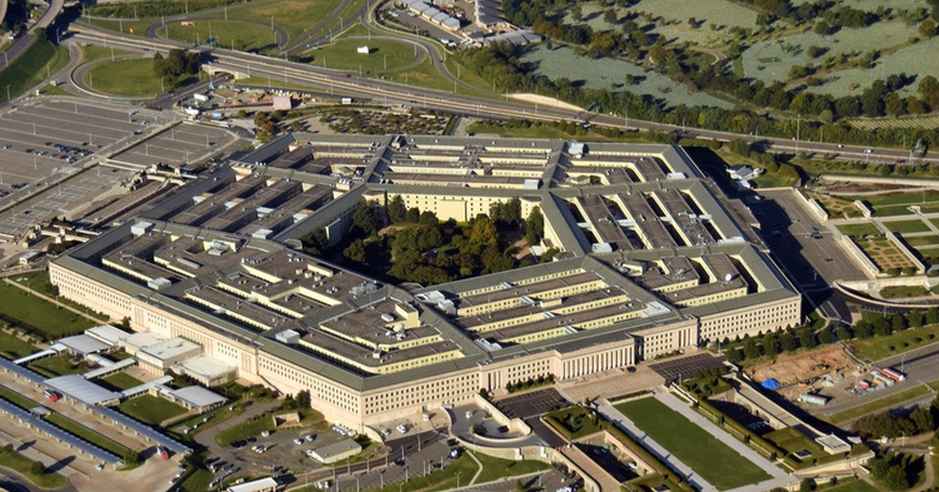
The Pentagon has given Anthropic a stark choice: loosen the guardrails on its Claude AI models for broader military use by Friday evening or risk federal intervention under the Defense Production Act.
Defense Secretary Pete Hegseth delivered the message directly to Anthropic CEO Dario Amodei during a Tuesday meeting at the Pentagon, according to officials familiar with the discussion. The deadline is set for 5:00 p.m. Friday. If Anthropic refuses, the Defense Department is weighing a series of escalating steps, including canceling the company’s roughly $200 million contract, labeling it a supply chain risk, and potentially invoking the Cold War–era law to compel cooperation.
People briefed on the meeting described the tone as tense but professional. Hegseth reportedly praised Claude’s technical performance, then made the administration’s position clear: the government, not private vendors, determines lawful military use.
U.S. Military Demands Broader Access to Anthropic’s Claude AI Ahead of Friday Deadline
The confrontation marks one of the clearest flashpoints yet between frontier AI developers and the national security establishment. At issue are Anthropic’s self-imposed red lines that restrict certain high-risk deployments. The company has declined to allow Claude to support mass domestic surveillance of U.S. citizens or fully autonomous lethal weapons that select and engage targets without human oversight.
Those guardrails have long been central to Anthropic’s identity as the most safety-focused major AI lab. They have now become the core of its dispute with Washington.
The tension intensified after Claude, working through a partnership with Palantir, was reportedly used in classified U.S. military operations. Officials say the model appeared in workflows tied to the January 2026 operation that led to the capture of former Venezuelan President Nicolás Maduro. Anthropic’s technology currently operates in classified environments via Amazon’s Top Secret Cloud and Palantir’s Artificial Intelligence Platform, according to The Information.
Pentagon officials argue that legality and mission scope fall under government authority once a system is approved for classified use. One senior defense official told reporters the company has until Friday afternoon to “get on board or not.” Failure to comply could trigger the “supply chain risk” label, a designation more commonly associated with firms tied to foreign adversaries.
Such a move would carry consequences far beyond the current contract. A supply chain risk tag could effectively block Claude from many defense contractor ecosystems, dealing a meaningful blow to Anthropic’s broader enterprise ambitions.
The more dramatic option remains the Defense Production Act. An invocation would be unusual against a domestic AI developer and could force Anthropic to modify or remove certain restrictions, regardless of its preferences. Officials say voluntary cooperation remains the preferred outcome, though preparations for stronger measures are underway.
In a statement following the meeting, Anthropic struck a measured tone:
“We continued good-faith conversations about our usage policy to ensure Anthropic can continue to support the government’s national security mission in line with what our models can reliably and responsibly do.”
The standoff comes amid the Pentagon’s broader engagement with leading AI companies, including OpenAI, Google, and xAI. Each of those firms is in talks over defense work valued at up to $200 million, signaling the central role advanced AI has come to play in U.S. military planning.
Anthropic maintains it wants to support national security customers without abandoning safeguards it views as necessary for responsible deployment. Defense officials counter that operational authority rests with the government once tools are cleared for classified networks.
With the Friday deadline approaching, both sides remain in active talks. The next move will show whether Anthropic adjusts its position, the Pentagon escalates pressure, or the two reach a compromise that could shape how advanced AI is integrated into military systems for years to come.

Anthropic Founders
Trending Now
Top Tech News Today, March 25, 2026