OpenAI expects $600B compute spend by 2030 as company eyes $1 trillion IPO
 Daniel Levi
Posted On February 23, 2026
Daniel Levi
Posted On February 23, 2026
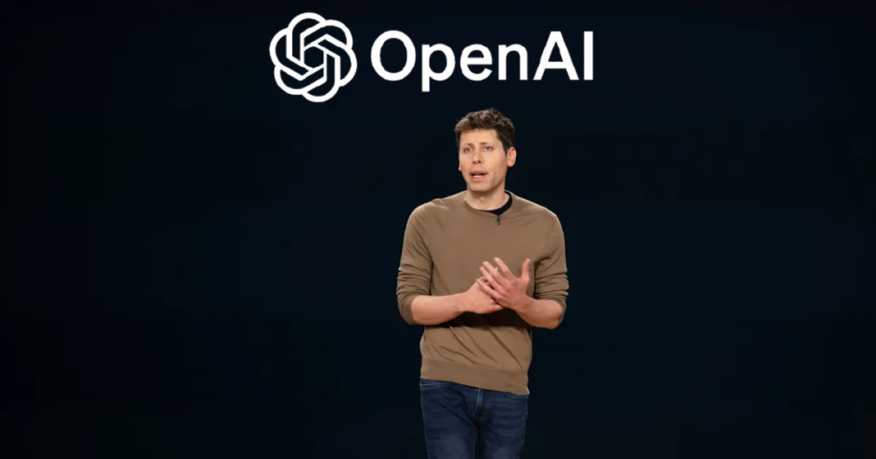
OpenAI is preparing for a scale of spending that would have sounded unrealistic just a few years ago. The ChatGPT maker is targeting roughly $600 billion in total compute spending through 2030, according to Reuters. The aggressive build-out comes as the company quietly lays the groundwork for a potential IPO that could value the AI firm at up to $1 trillion.
Fresh financial figures show just how quickly OpenAI is growing into that ambition. The company generated $13 billion in revenue in 2025, beating its own $10 billion forecast. Spending reached about $8 billion for the year, coming in under the internal $9 billion target, the source said. The numbers paint a picture of a business scaling fast yet still facing the heavy capital demands of large AI systems.
“OpenAI’s 2025 revenue totaled $13 billion, beating its $10 billion projection, while it spent $8 billion during the year, under its $9 billion target,” Reuters reported, citing a person familiar with the plans.
At the same time, OpenAI is closing in on one of the biggest private investments ever discussed in the tech sector. NVIDIA is nearing a deal to invest $30 billion in the company as part of a broader fundraising effort that could exceed $100 billion. If completed at the reported terms, the round would value the Sam Altman-led company near $830 billion.
Inside OpenAI’s $600B AI Buildout and the Road to a $1T Valuation
The proposed Nvidia investment is separate from the $100 billion infrastructure framework the two companies outlined last September. That earlier agreement described a multi-year plan tied to new supercomputing capacity. Under that structure, Nvidia’s first $10 billion commitment was expected to activate once the first gigawatt of compute capacity came online.
OpenAI’s long-range outlook signals just how big the company believes the AI market could become. According to CNBC, OpenAI projects more than $280 billion in total revenue by 2030, split almost evenly between consumer products and enterprise services. Altman said last year that the company intends to spend as much as $1.4 trillion to build 30 gigawatts of computing resources, enough electricity to power roughly 25 million U.S. homes.
The growth comes with rising costs. The Information reported that OpenAI told investors inference expenses — the cost of running AI models after training — jumped fourfold in 2025. That surge pushed adjusted gross margins down to 33% from 40% a year earlier, a sign that serving AI at scale remains expensive even for the industry’s leaders.
Pressure is building on the infrastructure side as well. In November, The Wall Street Journal reported that OpenAI was seeking federal loan guarantees to support financing for its massive AI chip and data center plans, a strategy that could eventually exceed $1 trillion in infrastructure spending.
“The company seeks government support to guarantee financing for AI chips, reducing costs and increasing debt capacity. As OpenAI ramps up its spending on data center capacity to unheard of levels, the company is hoping the federal government will support its efforts by helping to guarantee the financing for chips behind its deals, Friar said. The depreciation rates of AI chips remain uncertain, making it more expensive for companies to raise the debt needed to buy them,” The Wall Street Journal reported.
The request stands out in Silicon Valley, where private tech firms rarely pursue the kind of backing often reserved for national infrastructure projects. Yet OpenAI’s scale now resembles that of industrial build-outs more than traditional software economics. Data centers age quickly, chip prices swing widely, and balance-sheet strain is becoming harder to ignore.
The spending push shows little sign of slowing. Estimates indicate the company has already lined up around $1 trillion in infrastructure commitments this year, including a reported $300 billion partnership with Oracle and the $500 billion Stargate initiative backed by Oracle and SoftBank.
Revenue is climbing into the tens of billions, though the gap between income and infrastructure costs remains wide. Investors keep writing large checks, betting that OpenAI will sit at the center of the AI economy for years to come. The question hanging over the company is not growth — that part is clear — but how long the current burn rate can hold before the economics of AI start to look more like traditional tech.
Trending Now
Top Tech News Today, March 25, 2026