Anthropic clashes with Pentagon over AI use, now its $200M defense contract is under review
 Daniel Levi
Posted On February 18, 2026
Daniel Levi
Posted On February 18, 2026
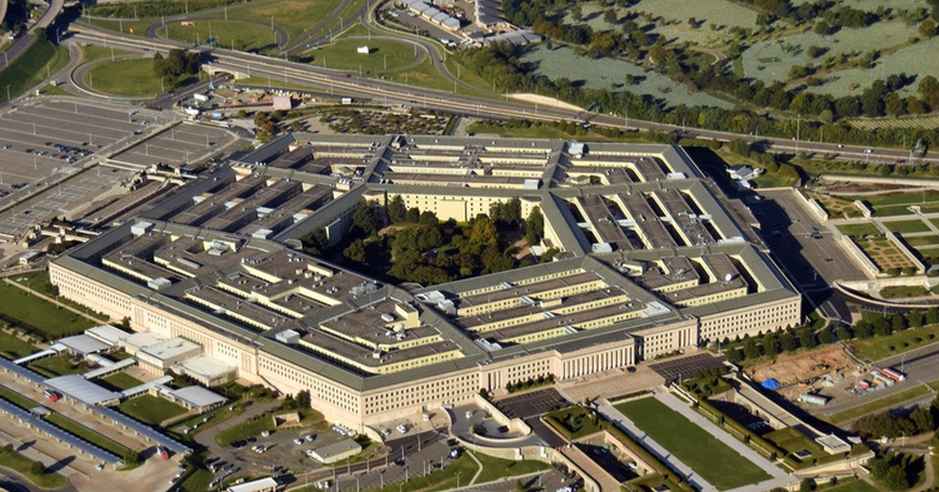
The battle over who controls frontier AI just moved inside the Pentagon.
Anthropic’s $200 million defense contract is under review after talks with the Department of Defense stalled over how its models can be used. A Pentagon spokesperson confirmed to CNBC that the company’s work with the agency is being reassessed as both sides negotiate future terms.
“Anthropic is at odds with the Department of Defense over how its artificial intelligence models should be used, and its work with the agency is “under review,” CNBC reported, citing a Pentagon spokesperson.
At the center of the dispute is a simple but high-stakes question: Can the military use Anthropic’s models for any lawful purpose, or can the company draw boundaries?
Anthropic wants limits. The company has sought assurances that its models will not be used for autonomous weapons or to “spy on Americans en masse,” according to a report from Axios. The DOD’s position is broader. Officials want the ability to deploy the models “for all lawful use cases” without restriction.
“If any one company doesn’t want to accommodate that, that’s a problem for us,” Emil Michael, the undersecretary of defense for research and engineering, said at a summit in Florida, according to CNBC. “It could create a dynamic where we start using them and get used to how those models work, and when it comes that we need to use it in an urgent situation, we’re prevented from using it.”
Those comments signal a deeper concern inside the Pentagon: dependency risk. If a model becomes embedded in critical systems, access cannot hinge on last-minute policy disagreements.
AI Showdown: Anthropic Pushes Back on Pentagon’s Broad Military Use Demands
The dispute between Anthropic and the U.S. military did not erupt overnight. It intensified over the weekend after senior administration officials told Axios they were weighing whether to block the Silicon Valley startup from being used by the military altogether.
The friction traces back to early January and reflects a deeper shift inside the Pentagon. AI models are no longer narrow tools built for single tasks. The same general-purpose systems that power consumer chatbots are beginning to appear inside defense software stacks. That overlap raises hard questions. A model trained to answer casual user prompts could one day sit inside systems tied to battlefield decisions. The ethical and operational stakes change dramatically once that line blurs.
Anthropic sits in a rare position. According to Semafor, the company is one of only a handful of large language model providers cleared for classified U.S. government environments. Its technology is accessible through Amazon’s Top Secret Cloud and through Palantir’s Artificial Intelligence Platform. That distribution path is how Anthropic’s Claude model reportedly appeared on the screens of officials monitoring the seizure of then-Venezuelan President Nicolás Maduro.
“Anthropic is one of the few “frontier” large language models available for classified use by the US government because it is available through Amazon’s Top Secret Cloud and through Palantir’s Artificial Intelligence Platform, which is how its Claude chatbot ended up appearing on the screens of officials who were monitoring the seizure of then-Venezuelan President Nicolás Maduro,” Semafor reported.
That episode, criticized by many Democrats as unlawful, unfolded amid renewed activism across Silicon Valley over government use of tech products. The debate is not confined to Anthropic. Palantir has faced pressure in the U.K. and across Europe over how its platforms are used by immigration authorities. The broader tension now facing AI labs is clear: once models enter government infrastructure, control over use becomes harder to separate from public scrutiny.
The Pentagon’s push to standardize AI access across systems is colliding with a growing movement inside tech to draw ethical boundaries. What began as a contract negotiation has become a test of how much leverage frontier AI companies retain once their models are embedded in national security operations.
Anthropic occupies a unique position in the military AI ecosystem. As of February, it is the only AI company to have deployed its models on the agency’s classified networks and to have provided customized versions for national security customers. That foothold makes the standoff more than symbolic. It touches active infrastructure.
The tension follows broader reporting from Semafor that highlighted friction around defense AI partnerships. Companies like Palantir have built deep ties with the government, and major model providers are now competing for similar influence. The Defense Department is working to standardize AI platforms and approve specific models across systems. For AI labs, those decisions carry reputational and political weight.
The stakes extend beyond Anthropic. OpenAI, Google, and xAI were each awarded contract ceilings of up to $200 million from the DOD last year. According to a senior defense official, those companies have agreed to allow their models to be used for all lawful purposes within the military’s unclassified systems. One company has agreed across “all systems.”
If Anthropic declines the Pentagon’s terms, the consequences could escalate. The agency could designate the company a “supply chain risk,” which would require vendors and contractors to certify they do not rely on Anthropic’s models. That label is typically associated with foreign adversaries. Applying it to a U.S. startup would mark a serious rupture.
Anthropic, founded in 2021 by former OpenAI researchers and executives, is best known for its Claude family of models. The company recently closed a massive funding round that valued it at $380 billion, more than double its valuation from September. It now sits at the center of national AI strategy.
An Anthropic spokesperson said the company is having “productive conversations, in good faith” with the DOD about how to “get these complex issues right.” The spokesperson added, “Anthropic is committed to using frontier AI in support of U.S. national security.”
This dispute signals a structural shift in AI. Defense procurement is emerging as one of the most important battlegrounds for model providers. The government is no longer just buying tools. It is shaping which AI stacks become the default at the national scale.
The outcome will help define three lanes for advanced AI: consumer applications, enterprise workflows, and government systems with strict traceability and operational controls. The companies that win defense trust could anchor long-term infrastructure. The ones that resist may protect their brand but lose strategic ground.
For startups building security, compliance, audit, and governance layers, this moment opens a new frontier. Demand is moving from flashy demos to policy alignment and reliability under pressure.
Anthropic’s standoff with the Pentagon is not just about one contract. It is about who decides how powerful AI is deployed in high-stakes environments — and whether the labs building these systems can set limits once government adoption begins.
Trending Now
Top Tech News Today, March 25, 2026