Driverless, but not human-free: Waymo pays DoorDash gig workers to close its car doors
 Nickie Louise
Posted On February 13, 2026
Nickie Louise
Posted On February 13, 2026
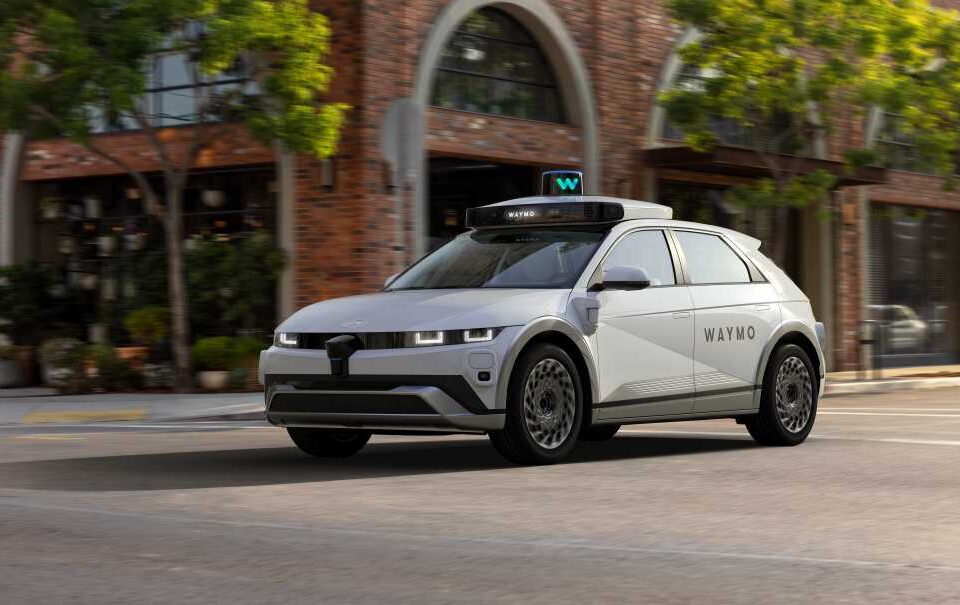
Waymo’s robotaxis drive without a human behind the wheel. They scan intersections, predict traffic, and ferry passengers across city streets independently. Then something very human happens. A rider steps out and forgets to shut the door. The car stays put.
In Atlanta, Waymo has started paying people to fix that problem.
The Alphabet-owned autonomous-vehicle company confirmed this week that it is running a pilot program that alerts gig workers when a nearby Waymo vehicle has been left with a door ajar. The task is simple. Walk over. Close the door. Get paid. Waymo has partnered with companies like DoorDash to make it happen.
“Waymo is paying gig workers from companies like DoorDash and Honk to help close the doors of its robotaxis,” CNBC reported.
The arrangement came to light after a Reddit post showed a DoorDash driver in Atlanta receiving an offer of $11.25 for closing the door on a nearby Waymo. The post quickly spread, sparking questions about why a car that can drive itself still needs human help for something so basic.
Waymo’s Driverless Cars Still Need Humans: Paying DoorDash Drivers to Close Robotaxi Doors, Exposing the Hidden Costs of Autonomy
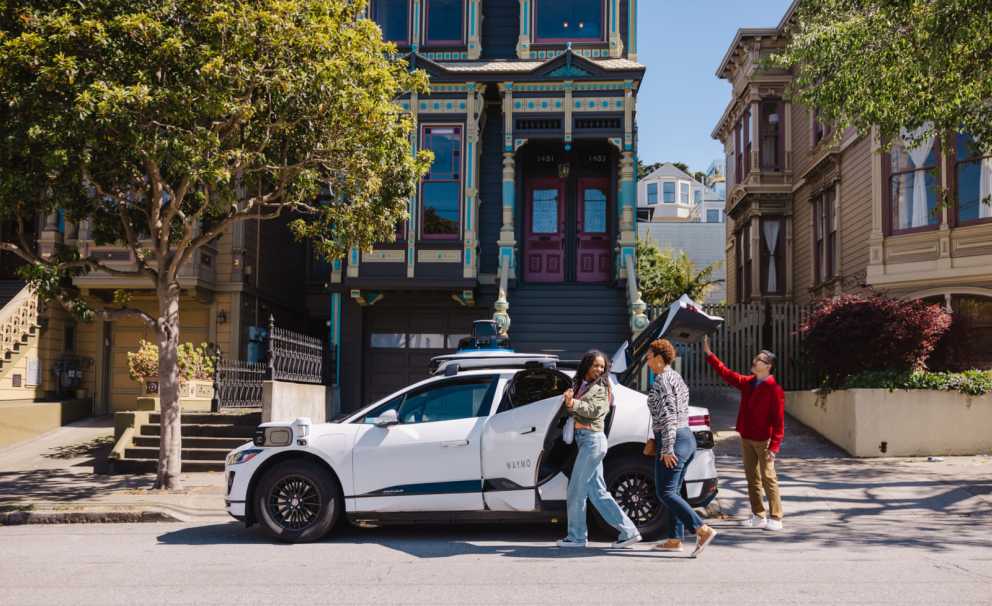
Waymo (Credit: Waymo)
Waymo says the pilot is part of a broader effort to keep vehicles moving without long interruptions. DoorDash and Waymo said in a joint statement that they are exploring flexible ways for delivery drivers to earn extra income and that future Waymo vehicles will include automated door-closing features. No timeline was shared.
This reliance on people highlights a quiet truth about autonomy. Self-driving systems handle complex traffic scenarios every day. Edge cases still trip them up. A physical door left open turns into downtime, lost revenue, and a stranded vehicle. A nearby human solves the problem faster than a remote operator or a service truck.
Waymo is no small experiment. The company was valued at $126 billion in a recent funding round and is part of Alphabet’s “Other Bets” division. That unit focuses on ambitious projects to reshape industries such as transportation and health technology. It is an expensive effort. Alphabet disclosed last week that Other Bets posted an operating loss of $7.5 billion last year. Waymo accounted for a $2.1 billion stock-based compensation charge within that figure.
DoorDash is not the only group stepping in. Waymo has paid users of Honk, a roadside assistance platform, to perform similar tasks. A Washington Post report said Honk users in Los Angeles were offered up to $24 to close robotaxi doors. The jobs fall somewhere between maintenance and micro-gigs, paid only when a human presence becomes unavoidable.
The timing matters. On Thursday, Waymo began deploying its next-generation robotaxi as it pushes to widen its lead in the U.S. self-driving race. The service already operates in six U.S. markets, with more cities planned this year. Each expansion raises the stakes. Every stalled vehicle becomes more visible.
Waymo’s door problem is not a failure. It is a reminder. Autonomy works in layers, not absolutes. Software handles the driving. Humans still patch the gaps. For now, the future of driverless cars includes a gig worker, a phone notification, and a hand pushing a door shut so the car can move again.
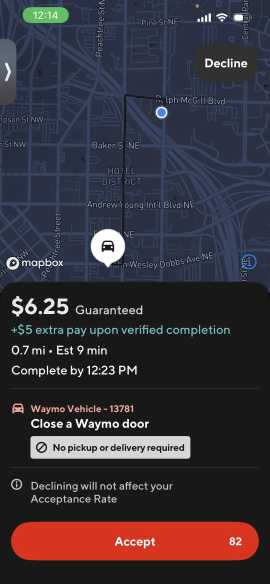
Close a Waymo door (Credit: Reddit)
Trending Now
Top Tech News Today, March 25, 2026