Skyryse raises $300M Series C at $1.15B valuation to advance autonomous flight systems
 Nickie Louise
Posted On February 3, 2026
Nickie Louise
Posted On February 3, 2026
U.S. aviation startup Skyryse has crossed the billion-dollar mark after closing a $300 million Series C round, which values it at $1.15 billion. The round was led by Autopilot Ventures, with backing from returning investor Fidelity Management & Research Company, and from ArrowMark Partners and the Qatar Investment Authority, among others.
The raise lands at a moment when aviation investors are paying closer attention to systems that reduce pilot workload and operating costs while improving safety. Commercial aviation, emergency services, and military operators all face staffing pressures, rising costs, and stricter safety standards. Automation has moved from a research topic to a deployment question.
“The funding marks a major milestone in Skyryse’s journey to make aviation safer and more accessible across airplanes and helicopters. Surpassing $1B in valuation is a historic moment for the founder-led, privately-held company,” Skyryse said in a news release.
Aviation Startup Skyryse Becomes a Unicorn at a $1.15B Valuation to Simplify How Aircraft Are Flown
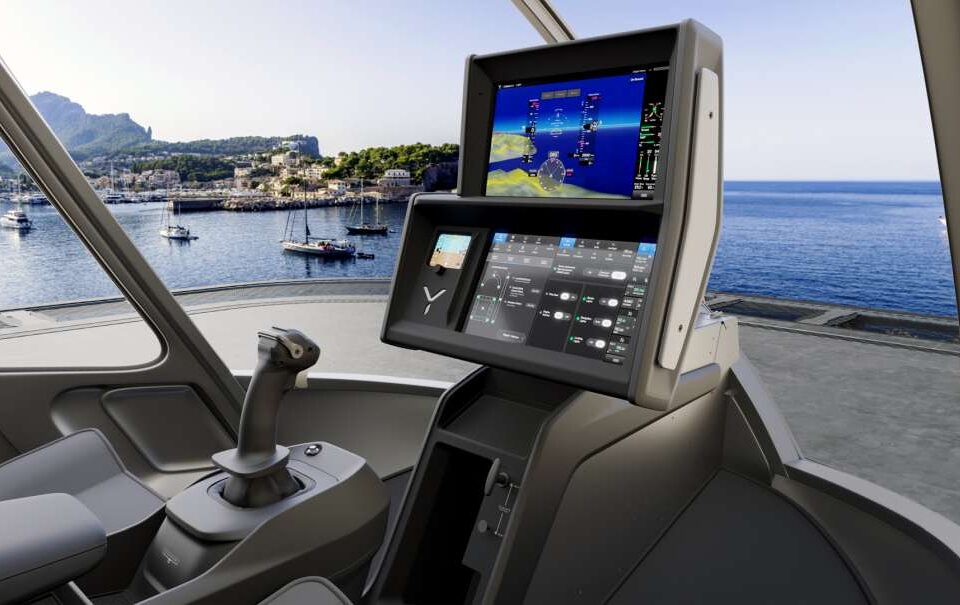
Skyryse was founded in 2016 by Dr. Mark Groden, who serves as CEO. Its focus is simple to describe and difficult to execute: replace traditional mechanical flight controls with software-driven systems that make aircraft easier to fly, especially under stress. The company’s core product, SkyOS, acts as a universal flight operating system that automates complex tasks through a simplified interface.
In practice, SkyOS blends software and hardware into a single control layer. Instead of relying on multiple levers, switches, and manual procedures, pilots interact with a streamlined system built to manage flight inputs during routine operations and emergencies. The pitch is safety through clarity. Fewer steps. Fewer chances for error.
The latest funding will push Skyryse through the final stretch of regulatory approval. The Federal Aviation Administration granted final design approval for Skyryse’s flight control computers in 2025. Flight verification remains the last formal step before full certification, according to the company.
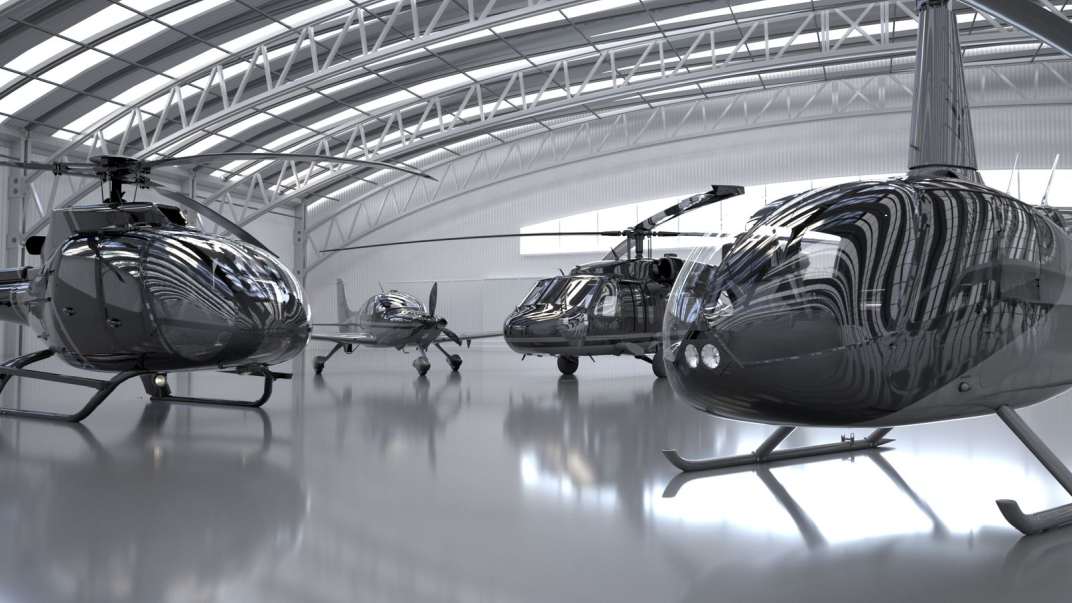
Skyryse has already shown what the system can do. In demonstrations on multiple aircraft, including the Black Hawk helicopter, SkyOS handled automated hover, lift-off, and landing maneuvers. Those tests helped move the technology out of the lab and into real aircraft environments.
Partnerships are lining up across sectors where safety margins matter most. Skyryse says It Has integration agreements with military, emergency medical, firefighting, law enforcement, and private aviation operators. Aircraft slated for integration include the Airbus H125, Bell 407, and the Pilatus Aircraft PC-12. Operator partners include United Rotorcraft, Air Methods, and Mitsubishi Corporation.
Skyryse’s bet is that the future of flight looks less like mechanical mastery and more like system oversight. Pilots stay in control, with software taking on the heavy cognitive load. With fresh capital and certification nearing completion, the company is positioning SkyOS as a standard layer across aircraft types rather than a niche upgrade.
If that vision holds, Skyryse will be remembered less as a helicopter demo story and more as a turning point in how aircraft are flown.
Trending Now
Top Tech News Today, March 25, 2026