Tesla brand loses 36% of its value in 2025 as Musk steps deeper into politics and consumer trust erodes for a third straight year
 Daniel Levi
Posted On January 27, 2026
Daniel Levi
Posted On January 27, 2026
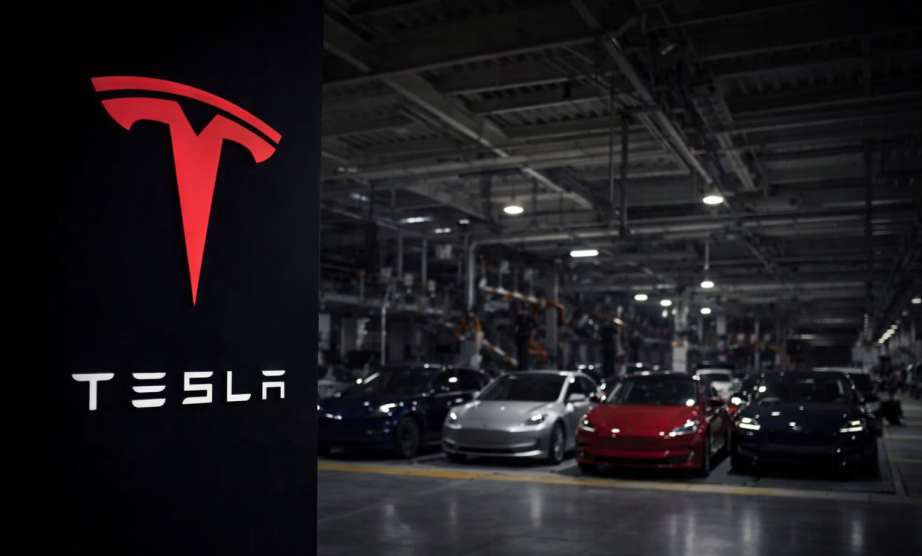
Tesla’s brand value fell by $15.4 billion in 2025, a 36% drop that marks its third straight annual decline, according to new research from Brand Finance. The firm now estimates Tesla’s brand at $27.61 billion in its 2026 rankings, down sharply from $43 billion at the start of 2025, $58.3 billion in 2024, and a peak of $66.2 billion in early 2023.
Brand Finance CEO David Haigh points to a mix of product stagnation, pricing pressure, and leadership distraction as core drivers of the slide. Tesla’s lineup has aged relative to rivals, its vehicles remain expensive in a market crowded with cheaper electric alternatives, and Elon Musk’s growing presence in geopolitics has pulled focus away from the auto business. Haigh described Musk’s public posture as continued “overreach,” a theme that has followed Tesla through a turbulent year.
“The value of Tesla’s brand lost $15.4 billion, about 36%, in 2025, marking a third-straight annual decline,” CNBC reported, citing research and consulting firm Brand Finance.
Tesla’s Brand Slides to $27.6B as Musk’s Politics and EV Pricing Take a Toll
Brand Finance, which is based in London, evaluates thousands of companies each year by combining financial data such as revenue, margins, and licensing activity with large-scale consumer surveys. That blend of balance-sheet math and public sentiment often reveals gaps between investor enthusiasm and everyday perception.
Those gaps widened for Tesla over the past year. On measures tied to reputation, recommendation, trust, and coolness, Tesla’s scores fell across many regions, according to Brand Finance Valuation Director Lorenzo Coruzzi. The declines were most pronounced in Europe and Canada, markets where consumer sentiment has cooled more sharply.
The findings landed less than a month after CNBC reported that Tesla’s vehicle deliveries fell 16% in 2025 to 1.64 million units, marking a second straight annual decline as BYD moved ahead in the global EV market. Europe emerged as one of Tesla’s most challenging regions. Data from the European Automobile Manufacturers’ Association showed Tesla registrations dropping 39% during the first eleven months of 2025, a slide that mirrors the weakening consumer sentiment reflected in Brand Finance’s survey results.
In the U.S., Tesla’s recommendation score dropped to 4.0 out of 10. Just two years earlier, the score stood at 8.2. The metric reflects whether customers would encourage friends or family to buy a Tesla, and the shift suggests hesitation has set in among mainstream buyers. Brand Finance surveyed at least 1,000 respondents across 18 countries to arrive at its conclusions.
Brand awareness, by contrast, continued to rise in many markets. Coruzzi said that trend was expected as Tesla moves further from its startup years and continues to sell vehicles across more regions. Familiarity alone, though, has not translated into enthusiasm.
One bright spot surfaced in loyalty data. Tesla’s U.S. loyalty score climbed from 90% to 92% in 2025, signaling that existing owners still plan to stick with their vehicles over the next year. That loyalty, though, has not been enough to offset weaker sentiment among potential buyers.
As Tesla’s brand weakened, rivals gained ground. BYD emerged as the fastest-rising automotive brand in the rankings, posting a 23% increase in brand value to $17.29 billion. Toyota, Mercedes-Benz, Volkswagen, and Porsche all ranked ahead of Tesla, with Toyota leading the sector at an estimated $62.7 billion.
The contrast highlights a growing disconnect between Tesla’s standing with consumers and its standing on Wall Street. Tesla stock swung wildly through 2025. The year began with optimism after Musk joined President Donald Trump’s White House to run the Department of Government Efficiency (DOGE), an initiative aimed at cutting federal spending and shrinking government operations.
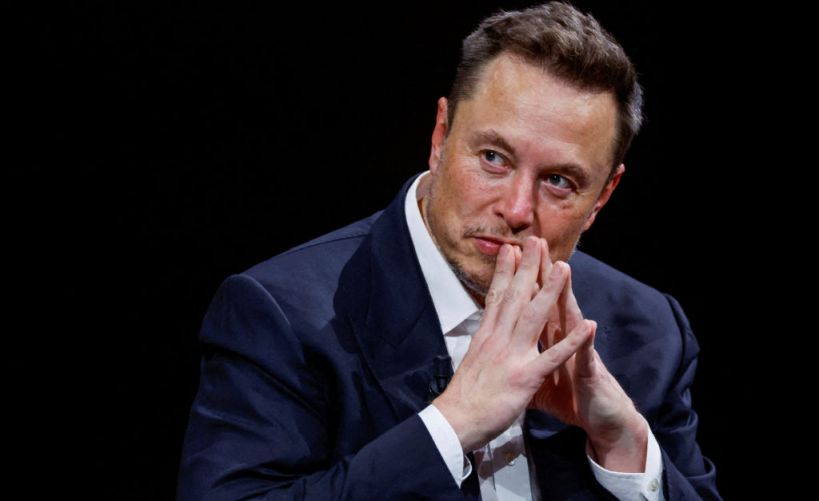
That optimism faded as Musk’s political involvement intensified. His rhetoric, along with public support for far-right figures such as Germany’s AfD party and UK activist Tommy Robinson, triggered consumer backlash that lingered throughout the year. The loss of a federal tax credit for electric vehicle purchases added further pressure on the business.
Tesla shares recovered later in the year following the launch of a ride-hailing app and a pilot Robotaxi service in Austin, Texas. Musk further boosted confidence by buying roughly $1 billion worth of Tesla stock in September. By year’s end, the stock had gained about 11%, with fresh records in mid-December after reports that Tesla was testing automated driving systems in Austin without occupants.
Tesla is set to report fourth-quarter earnings and outline its plans for the year ahead in an earnings call scheduled for Wednesday after the market closes. The company has already disclosed a decline in vehicle deliveries for both the quarter and the full year. Investors have been submitting questions ahead of the call through Say Technologies, with one of the most popular asking whether Tesla shareholders might receive special access to invest in Musk’s aerospace company, SpaceX, which is targeting a public offering this year.
Brand Finance data suggests any halo effect from Musk’s other ventures may be limited. Starlink, SpaceX’s satellite internet unit, entered the Brand Finance top 500 for the first time in 2026 with an estimated brand value of $5.19 billion. Haigh said Starlink’s rise is unlikely to lift Tesla.
“They’re treated entirely separately,” he said.
Starlink is measured against internet service providers, and Tesla is measured against automakers. Musk may lead both companies, yet Brand Finance’s research shows consumer judgment remains industry-specific.
“Starlink has got a unique proposition for now,” Haigh added, “although there are a number of other companies planning to send lots and lots of satellites up to compete.”
For Tesla, the message from consumers appears clear. Loyalty from existing owners remains strong, visibility keeps growing, and the stock still finds ways to rebound. Trust, recommendation, and brand appeal, though, have moved in the opposite direction for three straight years, reshaping how the public sees one of the most recognizable names in electric vehicles.
Read the Brand Finance Global 500 2026 full list here.
Trending Now
Top Tech News Today, March 25, 2026