Elon Musk says Tesla will roll out nationwide robotaxis by 2026 after broken 2025 promises
 Daniel Levi
Posted On January 22, 2026
Daniel Levi
Posted On January 22, 2026
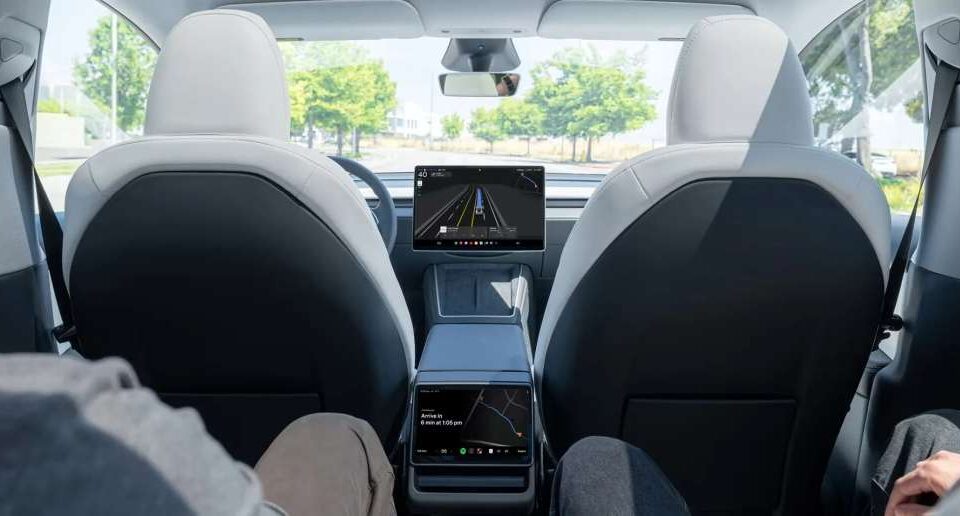
Elon Musk is back with another bold prediction. Speaking at the World Economic Forum in Davos, the Tesla CEO said his company will operate a “very widespread” network of driverless robotaxis across the U.S. by the end of 2026. It’s the kind of statement Musk is known for. It’s ambitious, headline-grabbing, and familiar to anyone who’s followed Tesla’s self-driving saga over the past decade.
“Tesla’s rolled out robotaxi service in a few cities, and will be very, very widespread by the end of this year within the U.S.,” Musk said on stage. That timeline now points to 2026. The problem is, he made similar claims for 2025 — and missed nearly all of them.
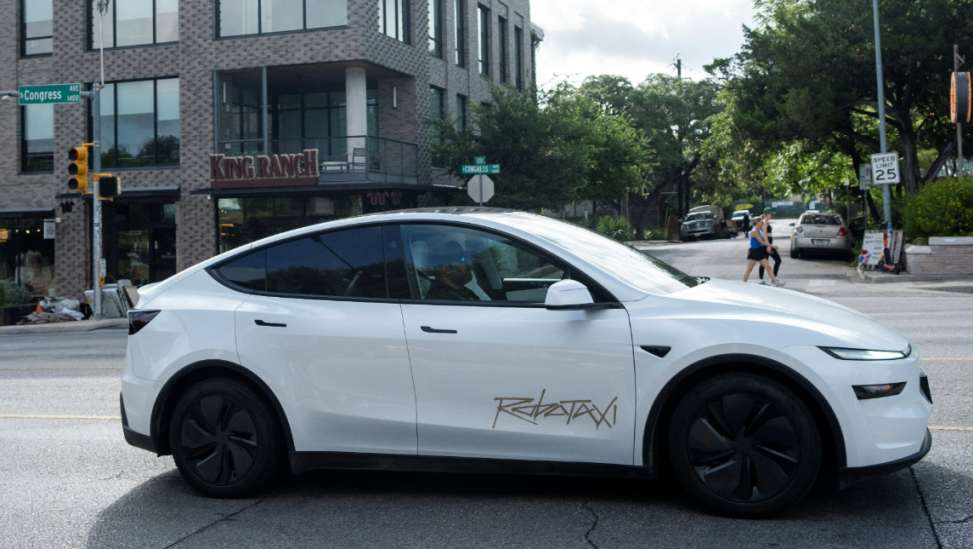
Tesla finally launched its long-promised ride-hailing service in Austin last June. A few months later, it expanded to the San Francisco Bay Area. After years of delays, the service did arrive. Just not in the form Musk had promised. The vehicles still rely on human safety monitors. In Austin, a monitor sits in the front passenger seat. In California, one remains behind the wheel to comply with state regulations. Fully autonomous public rides, the milestone Musk repeatedly touted, never materialized.
Another Musk Robotaxi Deadline? Tesla Says 2026 Will Finally Be the Year
Back in April, Musk told investors Tesla was “on track” to offer paid, fully autonomous rides in Austin by June, followed by launches in many other cities by year-end. That did not happen. Business Insider tested the service and confirmed monitors can stop rides if they spot risky driving behavior. This wasn’t the future Musk described.
By October, Musk raised the stakes. He said Tesla would operate robotaxis in eight to 10 metro areas by the end of 2025, pointing to Nevada, Florida, and Arizona. Permits were secured. Hiring picked up. Public service never expanded beyond Austin and San Francisco.
Fleet size missed the mark, too. Musk told the All-In podcast he expected 500 vehicles in Austin and more than 1,000 in the Bay Area. Crowd-sourced tracking data paints a different picture. About 35 cars operate in Austin. The Bay Area fleet sits near 130. Tesla registered more than 1,600 vehicles for ride-hailing, though registrations don’t necessarily equal active deployment.
Another bold claim followed in July. Musk said robotaxis would reach half the U.S. population by year-end. That coverage never came close to reality.
Even his promise to remove safety monitors from “large parts of Austin” fell short. Monitors remain in public rides. Musk posted about taking a private ride without one, calling the experience “perfect driving,” though public service still hasn’t followed.
“Musk missing deadlines is hardly new. It’s called “Elon Time.” There’s a website for it. Even the CEO himself recognizes it,” Business Insider wrote in January.
Musk shrugs off missed timelines with trademark candor. “I am pathologically optimistic with time,” he admitted last year. The industry even coined a nickname for it: “Elon Time.”
Investors have learned to live with it. “I hear Tesla lay out the vision, then I try to listen to what the markers are to get there,” Morningstar analyst Seth Goldstein told Business Insider.
Per Business Insider, “Elon Musk has made a lot of promises for what Tesla Robotaxi would achieve by the end of 2025: fully autonomous rides for the public; expanded service areas in multiple regions; and coverage for half the US population, among other milestones.”
Musk also missed a parallel pledge to deliver “FSD Unsupervised” for personal Teslas by year-end. Drivers must still stay alert to keep the system engaged. Tesla loosened some rules with a software update, though true hands-free driving remains out of reach.
Now Musk wants everyone to believe 2026 will be different.
The timing matters. Tesla no longer dominates the robotaxi narrative. Alphabet-backed Waymo already runs driverless services in five U.S. markets and just launched in Miami. Amazon-owned Zoox joined the race last year. Tesla is playing catch-up in a field it once claimed it would own.
Musk’s appearance in Davos marked his return to a conference he previously mocked as “boring af.” On this trip, he arrived with a new promise, a new deadline, and the same high-stakes bet that autonomy will unlock Tesla’s next chapter.
History says investors should listen closely, then wait for proof.
Trending Now
Top Tech News Today, March 25, 2026