“Are You Dead?” Chinese app for single living goes viral, rebrands as Demumu for global launch
 Daniel Levi
Posted On January 14, 2026
Daniel Levi
Posted On January 14, 2026
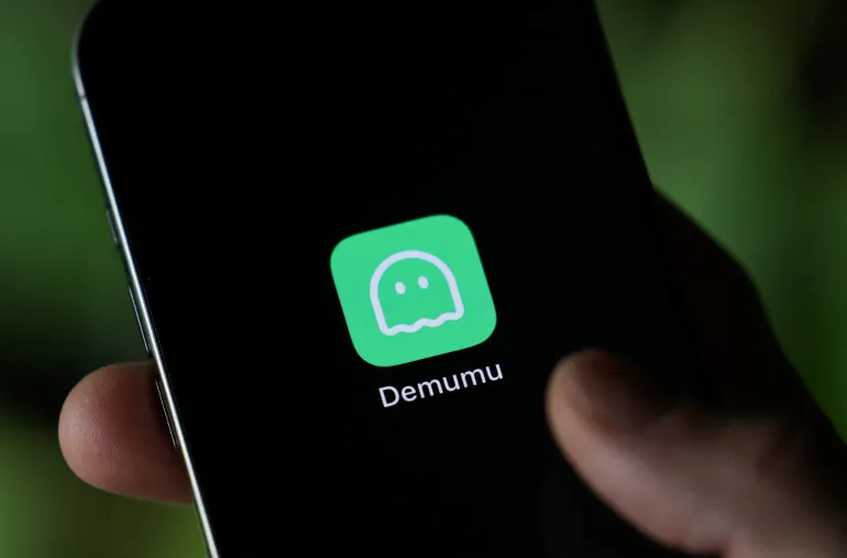
A blunt question is fueling one of China’s most unexpected app success stories.
An app literally called “Are you dead?” has exploded across Chinese app stores, tapping into a quiet fear shared by millions of people who live alone. What began as a scrappy student project has turned into a viral safety tool, now preparing for a global rollout under a new name: Demumu.
Known in Chinese as Sileme, the app describes itself as “a lightweight safety tool created for solo dwellers”—from students and office workers to “anyone choosing a solitary lifestyle,” according to its creators. The concept is simple but unsettling: users check in daily. Miss too many days, and the app alerts an emergency contact.
“The app called Sileme in Chinese, which translates to “Are you dead?” in English, is “a lightweight safety tool created for solo dwellers” from students, to solo officer workers or “anyone choosing a solitary lifestyle,”Reuters reported, citing the company’s development team.
“Are You Dead?” App Goes Viral in China, Rebrands as Demumu for Global Users
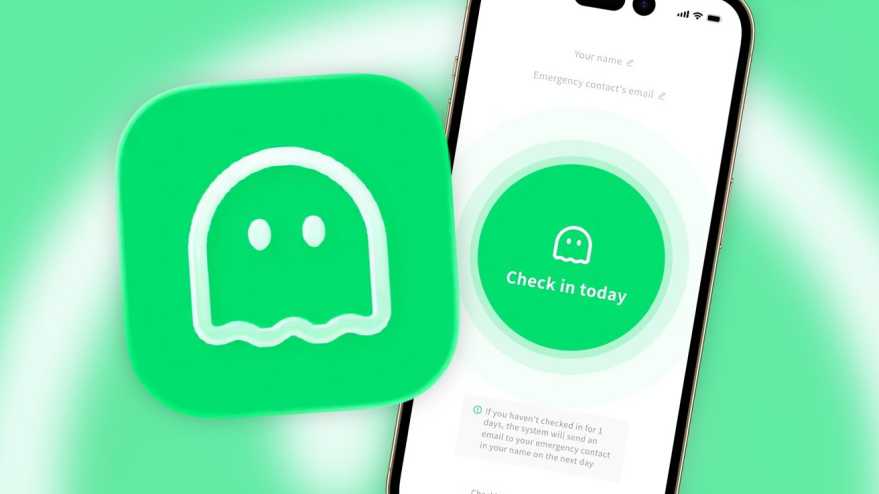
That small feature struck a nerve.
China has an estimated 200 million one-person households, with solo living now accounting for more than 30% of the population, according to the state media outlet Global Times. Rising housing costs, shifting social norms, and delayed marriage have all fueled the trend. The result: a massive group of people living alone, many far from family.
Sileme’s rise mirrors that reality. Downloads surged. Social media lit up. The app shot to the top of Apple’s paid chart in China before settling at number two. Behind the scenes, a tiny team of founders—three people born after 1995—scrambled to keep up.
“Thanks to all netizens for their enthusiastic support. We were originally just an unknown small team, co-founded and operated independently by three born after 1995,” the company wrote on Weibo.
From Student Project to Viral Hit: China’s “Are You Dead?” App Goes Global
Virality came with costs. Server bills climbed. Support requests poured in. On Sunday, the team announced an 8 yuan ($1.15) payment plan to keep the project alive. Apple users already pay HK$8 to download the app.
Then came the rebrand.
Sileme confirmed this week that its upcoming version will carry the global name Demumu, marking its push beyond China. The name change sparked instant backlash. On Weibo, users urged the team to keep the original title. Others proposed softer alternatives like “Are you alive,” “Are you online,” or “Are you there.”
One user defended the original bluntness.
“Maybe some conservative people can’t accept it,” they wrote, “but it is helpful for safety purposes. It will make us unmarried people feel more at ease to spend our lives.”
That comment captures the app’s appeal. It’s awkward. It’s uncomfortable. It asks a question most people avoid. Yet for millions living alone, it offers something rare: reassurance that someone will notice if they disappear.
Demumu’s global launch will test whether that raw honesty translates beyond China. Cultural reactions may differ. Western audiences may prefer softer language. Still, the problem stays the same everywhere: isolation is rising, and safety tools have not kept pace.
For now, a small team with a darkly funny app name has done what bigger companies failed to do—start a conversation people didn’t know they needed to have.
And all it took was one uncomfortable question.
Trending Now
Top Tech News Today, March 25, 2026