Top Startup and Tech Funding News – January 8, 2025
 Nickie Louise
Posted On January 8, 2026
Nickie Louise
Posted On January 8, 2026

It’s Thursday, January 8, 2026, and today’s startup funding landscape underscores deep investor conviction in transformative technologies spanning artificial intelligence, oncology, obesity treatment, and maternal health. From generative AI benchmarking to next-generation weight-loss drugs, today’s announcements reflect an accelerating race to fund category-defining platforms at the frontier of science and computing.
xAI dominated headlines with a historic $20 billion Series E to scale its AGI roadmap and GPU infrastructure, while Cyera raised $400 million to secure enterprise AI deployments amid surging demand for data governance. In biotech, Parabilis and Alveus Therapeutics pulled in major late- and early-stage rounds to advance peptide cancer therapies and dual-action obesity drugs. Meanwhile, startups like LMArena and Diagonal Therapeutics drew sizable checks to build AI evaluation standards and correct rare disease pathways at the molecular level.
Across verticals—from augmented reality and protein degradation to virtual maternal care and gene therapy for blindness—investors are doubling down on foundational technologies that could reset the status quo in healthcare, AI infrastructure, and human-machine interaction.
Tech Funding News
Funding Highlights
- Protege raises $30M led by a16z to unlock access to data for AI development
- Cyera raised $400M Series F to expand its AI security platform.
- Parabilis Medicines raised $305M Series F for peptide cancer therapies.
- Alveus Therapeutics emerged from stealth with $160M Series A for dual-action obesity treatments.
- LMArena secured $150M Series A to scale an AI model evaluation platform.
- Diagonal Therapeutics raised $125M Series B for rare disease therapies.
- EpiBiologics raised a $107M Series B to advance protein-degrader cancer drugs.
- Xreal secured $100M in strategic funding to scale production of AR glasses.
- Pomelo Care raised $92M Series C to expand virtual maternal healthcare.
- Beacon Therapeutics raised a $75M+ Series C round for a vision-restoring gene therapy.
Investor Activity
Today’s funding drew global institutional investors, Big Pharma venture arms, sovereign wealth funds, and strategic corporate players spanning semiconductors, healthcare, and enterprise software. As market momentum builds in early 2026, investors continue to pursue concentrated bets on startups at the intersection of biology, infrastructure, and intelligence—seeding the next generation of category leaders.
Here’s the full breakdown of January 8’s most significant startup and tech fundings.
Protege Raises $30M in Funding Led by a16z to Unlock Access to Data for AI Development
San Francisco–based Protege has raised $30 million in new funding to expand its platform that unlocks high-quality data for artificial intelligence development. The round was led by Andreessen Horowitz (a16z), with participation from additional strategic and institutional investors. Protege is positioning itself as a critical infrastructure layer for AI builders, enabling companies to securely access, share, and monetize data needed to train and deploy advanced models.
The new capital will be used to scale Protege’s platform, deepen integrations with enterprise data providers, and accelerate adoption among AI developers facing growing constraints on data availability, privacy, and governance. As demand for larger and more specialized datasets rises alongside the proliferation of foundation models and domain-specific AI systems, Protege aims to simplify how organizations source compliant, high-quality data without exposing sensitive assets.
Founded to address one of AI’s most persistent bottlenecks, Protege is betting that data access—not model architecture—will increasingly define competitive advantage in AI development. The backing from a16z signals confidence in the company’s approach as enterprises and startups alike grapple with tightening regulations, proprietary data silos, and the escalating costs of training modern AI systems. With this funding, Protege plans to expand its footprint and position itself as a go-to marketplace and access layer for the data powering the next generation of AI.
Funding Details:
-
Startup: Protege (AI data access platform, San Francisco)
-
Investors: Andreessen Horowitz (a16z), with participation from other investors
-
Amount Raised: $30 million
-
Funding Stage: Not disclosed
-
Funding Date: January 8, 2026
Cyera Raises $400M in Series F Funding to Expand AI Security Platform
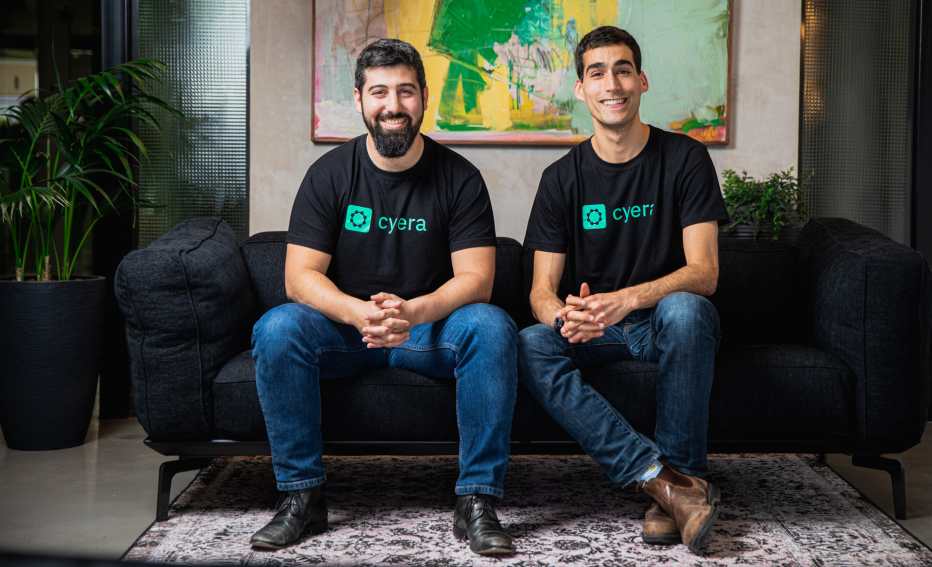
Enterprise AI security leader Cyera has secured a massive $400 million Series F funding round, bringing its total financing to over $1.7 billion. The New York-based startup provides a unified data security platform that helps large organizations protect sensitive data and govern AI deployments – a critical need as businesses embrace generative AI at scale. Blackstone led the round, joined by all major existing investors, including Accel, Coatue, Lightspeed, and others, tripling Cyera’s valuation to $9 billion. Cyera plans to use the infusion to accelerate product innovation, expand globally, and meet surging demand from Fortune 500 customers that require robust safeguards for AI and data.
This outsized late-stage round underscores the strategic importance of securing AI in today’s enterprise environment. With high-profile data breaches and “AI hallucination” incidents raising alarm, Cyera’s rapid growth – 3.4× revenue increase in a year – highlights how mission-critical its platform has become. Armed with fresh capital, Cyera aims to solidify its lead in the nascent AI security market, helping enterprises unlock the benefits of AI safely and maintain trust in an era of autonomous systems.
Funding Details:
-
Startup: Cyera (AI and data security platform, New York)
-
Investors: Blackstone (lead); Accel; Coatue; Lightspeed Venture Partners; others
-
Amount Raised: $400 million
-
Total Raised: ~$1.7 billion
-
Funding Stage: Series F
-
Funding Date: January 8, 2026
Parabilis Medicines Raises $305M in Series F Funding for Peptide Cancer Therapies

Cambridge-based Parabilis Medicines (formerly FogPharma) has closed an oversubscribed $305 million Series F round to advance its novel peptide-based cancer therapies. Parabilis is developing “corkscrew” cell-penetrating peptides designed to hit intracellular cancer targets long deemed “undruggable.” Proceeds from this mega-round will propel the biotech’s lead drug, zolucatetide, which disrupts a key β-catenin signaling pathway in tumors, into a pivotal Phase 3 trial for desmoid tumors, a rare soft-tissue cancer. The funding will also fuel the expansion of Parabilis’ preclinical pipeline and platform capabilities.
Parabilis stands out for staying private through six venture rounds, and this latest raise – co-led by RA Capital, Fidelity, and Janus Henderson – signals strong crossover investor confidence in the company’s approach ahead of a potential IPO. With one of the largest biotech financings in recent memory, Parabilis has the runway to bring its lead candidate to registrational trials and validate its platform. The sizable backing underscores continued enthusiasm for breakthrough cancer therapies that can target disease drivers once beyond reach.
Funding Details:
-
Startup: Parabilis Medicines (cell-penetrating peptide oncology, Cambridge, MA)
-
Investors: RA Capital Management (co-lead); Fidelity; Janus Henderson; others
-
Amount Raised: $305 million
-
Total Raised: N/D (multi-round)
-
Funding Stage: Series F
-
Funding Date: January 8, 2026
Alveus Therapeutics Emerges from Stealth with $160M in Series A Funding for Dual-Action Obesity Treatments
A new player in weight-loss drugs, Alveus Therapeutics, has emerged from stealth with a $160 million Series A financing. Based in Philadelphia (with R&D in Denmark), Alveus is developing next-generation obesity therapies that aim to surpass current GLP-1 drugs by delivering more durable weight loss and improved metabolic benefits. Its lead candidate ALV-100 is a first-in-class bifunctional hormone analog – a combined GIP receptor antagonist and GLP-1 receptor agonist – designed to enhance weight loss while improving the quality of weight reduction. The Series A, co-led by New Rhein Healthcare, Andera Partners, and Omega Funds, will fund ALV-100 through Phase 2 trials and advance an amylin-based pipeline (including ALV-200) into the clinic.
Alveus arrives amid surging investment in obesity treatments, armed with a veteran team led by former I-Mab CEO Raj Kannan. Investors are betting that Alveus’ multi-pronged approach can address limitations of blockbuster drugs like semaglutide – such as tolerability and weight regain – by engaging complementary biological pathways. The huge initial round reflects both the enormous market opportunity in obesity and confidence in Alveus’ science and leadership to drive a new wave of therapies for metabolic disease.
Funding Details:
-
Startup: Alveus Therapeutics (metabolic biotech, Philadelphia & Copenhagen)
-
Investors: New Rhein Healthcare (lead); Andera Partners (lead); Omega Funds (lead); Sanofi Ventures; Kurma Partners; Avego Capital
-
Amount Raised: $160 million
-
Total Raised: $160 million
-
Funding Stage: Series A
-
Funding Date: January 8, 2026
LMArena Secures $150M in Series A Funding to Scale AI Model Evaluation Platform

LMArena, an AI startup known for its crowd-sourced LLM benchmarking platform, has raised $150 million in its latest funding round at a $1.7 billion valuation. Just eight months after its $100M seed debut, the Bay Area company (formerly “Chatbot Arena”) has attracted a roster of top-tier investors – co-led by Felicis Ventures and the University of California’s investment arm – eager to fuel its growth. LMArena’s web-based platform enables researchers and enterprises to compare and rank large language models (such as OpenAI’s GPT-4, Anthropic’s Claude, and Google’s Gemini) through anonymous head-to-head battles and user feedback.
With generative AI exploding, LMArena’s tools have quickly become critical for measuring the real-world performance of competing models. The new capital will be used to scale the platform’s infrastructure, expand the engineering and research team, and develop more robust evaluation metrics. As businesses increasingly need to navigate a crowded AI model landscape, LMArena aims to be the go-to standard for impartial AI benchmarking – a niche that investors clearly see as valuable. This substantial Series A round cements LMArena’s unicorn status and underscores the importance of AI evaluation in the post-ChatGPT era.
Funding Details:
-
Startup: LMArena (AI model benchmarking platform, California)
-
Investors: Felicis Ventures (co-lead); UC Investments (co-lead); Andreessen Horowitz; Lightspeed; Kleiner Perkins
-
Amount Raised: $150 million
-
Total Raised: ~$250 million
-
Funding Stage: Series A
-
Funding Date: January 6, 2026 (announced Jan. 8)
Diagonal Therapeutics Closes $125M in Series B Funding for First-in-Class Rare Disease Therapies
Diagonal Therapeutics, a Cambridge, MA biotech, has secured $125 million in an oversubscribed Series B round to advance its pipeline of targeted therapies for rare diseases. Co-led by Sanofi Ventures and Janus Henderson, the financing provides Diagonal with significant runway to advance its lead program, DIAG-723, into the clinic. DIAG-723 is a first-in-class agonist antibody aimed at treating hereditary hemorrhagic telangiectasia (HHT) – a rare genetic vascular disorder – as well as pulmonary arterial hypertension, by correcting dysregulated ALK1 signaling. The fresh funds will support a first-in-human trial for HHT, set to begin in the coming months, and fuel the development of Diagonal’s broader platform that tackles the root causes of diseases in hematology, hepatology, and beyond.
Diagonal launched in 2023 with a hefty $128M Series A, and this follow-on round signals strong investor belief in its “agonist antibody” approach to diseases that lack effective treatments. By selectively activating key pathways rather than blocking them, the company aims to restore normal function in certain genetic conditions. The backing from a Big Pharma venture arm (Sanofi) alongside top-tier funds suggests both strategic interest and confidence in Diagonal’s early results. The capital will accelerate the journey of a potentially disease-modifying therapy for HHT – a notable development in the rare disease arena.
Funding Details:
-
Startup: Diagonal Therapeutics (rare disease biotech, Cambridge, MA)
-
Investors: Sanofi Ventures (co-lead); Janus Henderson (co-lead); Deep Track Capital; Logos Capital; RA Capital; others
-
Amount Raised: $125 million
-
Total Raised: ~$250 million
-
Funding Stage: Series B
-
Funding Date: January 8, 2026
EpiBiologics Lands $107M in Series B Funding to Advance Protein Degrader Cancer Drugs
Bay Area startup EpiBiologics has raised $107 million in a Series B round to advance its next-generation protein degrader therapies for cancer. The round was co-led by Google Ventures (GV) and Johnson & Johnson Innovation, with strong support from Novartis, Polaris Partners, Samsara BioCapital, and others. EpiBiologics is developing bispecific antibody drugs that can degrade disease-causing proteins – in this case, targeting EGFR – with high tissue selectivity. The fresh capital will enable the company to take its lead candidate, EPI-326, into Phase 1 clinical trials in early 2026 for non-small cell lung cancer and head & neck cancer. EPI-326 works by binding to EGFR on cancer cells and recruiting the immune system to eliminate those cells, potentially overcoming resistance seen with traditional EGFR inhibitors.
The substantial Series B – coming less than two years after EpiBiologics’ $50M Series A launch – reflects the excitement around targeted protein degradation in oncology. By focusing on extracellular and cell-surface proteins, EpiBiologics is carving a niche in a field often dominated by small-molecule PROTACs. The involvement of corporate venture arms (GV, J&J) alongside blue-chip VCs signals optimism that EpiBiologics’ platform could yield breakthrough biologic therapies for cancers and immune disorders. This funding positions the company to generate first-in-human data and validate its approach to “drug the undruggable” via antibody engineering.
Funding Details:
-
Startup: EpiBiologics (protein degrader biotech, San Francisco Bay Area)
-
Investors: GV (Google Ventures) (co-lead); Johnson & Johnson – JJDC (co-lead); Novartis Venture Fund; Polaris Partners; Samsara BioCapital
-
Amount Raised: $107 million
-
Total Raised: ~$160 million
-
Funding Stage: Series B
-
Funding Date: January 8, 2026
Xreal Raises $100M in Funding to Scale AR Glasses Production

Xreal, a pioneer in consumer augmented reality glasses, has reportedly raised around $100 million in new funding from strategic partners to ramp up production of its latest AR devices. The Beijing and California-based startup (formerly Nreal) is known for its lightweight smart glasses that overlay digital content onto the real world. Xreal’s new capital comes primarily from supply chain and manufacturing partners and will be used to scale up its manufacturing capabilities and R&D, as the company prepares to launch next-gen AR glasses globally. The investment brings Xreal’s total funding to an estimated $400M+, following a $60M round last year led by Alibaba and NIO Capital.
Xreal is vying to be a major player in the nascent AR wearables market, offering affordable alternatives to high-end mixed-reality headsets such as Apple’s $3,500 Vision Pro. The fresh funding signals confidence in Xreal’s momentum – the startup shipped over 350,000 units in 2025 and now aims to double production to 1–2 million units annually. With partnerships in place (including a collaboration with Google’s Android team) and this new infusion, Xreal is poised to expand its global footprint and iterate on its AR glasses technology, hoping to capture a mainstream audience for everyday augmented reality experiences.
Funding Details:
-
Startup: Xreal (augmented reality glasses, Beijing/Sunnyvale)
-
Investors: Strategic supply-chain partners (undisclosed); existing backers (incl. Alibaba, NIO Capital)
-
Amount Raised: $100 million
-
Total Raised: ~$400 million
-
Funding Stage: Strategic Funding Round
-
Funding Date: January 8, 2026
Pomelo Care Secures $92M in Series C Funding to Expand Virtual Maternal Healthcare
Pomelo Care, a virtual maternal and family health platform, has raised $92 million in Series C funding at a $1.7 billion valuation. The New York-based startup delivers 24/7 virtual care for pregnant and postpartum women, providing remote access to OB/GYNs, nurses, mental health specialists, and more, in partnership with health plans and employers. The round was led by Stripes, with participation from Andreessen Horowitz (a16z), PLUS Capital, Atomico, BoxGroup, and SV Angel. Pomelo’s platform uses continuous monitoring and data analytics to identify pregnancy risks early and coordinate care with in-person providers, aiming to improve outcomes such as reducing complications and preterm births. With this funding, Pomelo plans to expand beyond maternity care into broader women’s and pediatric care and to scale its partnerships, which already cover 25 million lives nationwide.
Pomelo’s sizable Series C underscores growing investor focus on women’s healthtech and the pressing need for better maternal care solutions. Despite recent market headwinds for digital health, Pomelo’s strong clinical results and rapid adoption (after a $46M Series B in 2024) have set it apart. The company has demonstrated that virtual care can augment traditional prenatal care, delivering high patient satisfaction and enabling earlier identification of issues. Now, armed with nearly $179M total funding, Pomelo is positioned to become a category leader addressing women’s health needs from pregnancy through menopause on a national scale.
Funding Details:
-
Startup: Pomelo Care (virtual maternal healthcare, New York)
-
Investors: Stripes (lead); Andreessen Horowitz; PLUS Capital; Atomico; BoxGroup; SV Angel
-
Amount Raised: $92 million
-
Total Raised: $179 million
-
Funding Stage: Series C
-
Funding Date: January 8, 2026
Beacon Therapeutics Gets $75M in Series C Funding to Advance Vision-Restoring Gene Therapy
London-based Beacon Therapeutics has completed an oversubscribed Series C round of more than $75 million to drive forward its gene therapy for inherited blindness. The financing was led by specialist investors, including Goldman Sachs’ life sciences arm, Syncona, Forbion, and the Foundation Fighting Blindness’s venture fund. Beacon’s lead candidate, laruparetigene zovaparvovec (laru-zova), is a one-time AAV gene therapy for X-linked retinitis pigmentosa (XLRP), a degenerative retinal disease that causes progressive vision loss. The new funds will support completion of an ongoing Phase 3 trial in XLRP – expected to read out soon – and prepare for potential commercialization if results are positive. Proceeds will also fund Beacon’s preclinical programs targeting other retinal conditions, such as geographic atrophy and cone-rod dystrophy.
Beacon was formed in 2023 with backing from Syncona and has quickly become a frontrunner in ophthalmic gene therapy. This Series C raise – coming after a $170M Series B in 2024 – signals strong confidence in Beacon’s approach and the market potential for vision-restoring treatments. By addressing the genetic root cause of blindness, Beacon aims to deliver transformational benefits to patients with no other options. The funding provides Beacon with the resources to bring its lead therapy to market and, potentially, to patients, while continuing to build a pipeline of treatments for other eye diseases that cause vision loss.
Funding Details:
-
Startup: Beacon Therapeutics (ophthalmic gene therapy, London)
-
Investors: Goldman Sachs Alternatives; Foundation Fighting Blindness (Retinal Degeneration Fund); Syncona; Forbion; Oxford Science Enterprises
-
Amount Raised: $75 million+
-
Total Raised: ~$365 million
-
Funding Stage: Series C
-
Funding Date: January 8, 2026
Tech Funding Summary Table
| Startup | Investors (Lead & Notable) | Amount Raised | Total Raised | Funding Stage | Funding Date |
|---|---|---|---|---|---|
| xAI (AI research, US) | Valor Equity; Fidelity; QIA; (Nvidia, Cisco strategic) | $20B | $20B | Series E | Jan 8, 2026 |
| Cyera (AI security, NY) | Blackstone (lead); Accel; Coatue; Lightspeed | $400M | ~$1.7B | Series F | Jan 8, 2026 |
| Parabilis Medicines (peptide oncology, MA) | RA Capital; Fidelity; Janus Henderson | $305M | N/D (multi-round) | Series F | Jan 8, 2026 |
| Alveus Therapeutics (obesity biotech, PA/DK) | New Rhein; Andera; Omega (co-leads); Sanofi Capital | $160M | $160M | Series A | Jan 8, 2026 |
| LMArena (AI benchmarking, CA) | Felicis; UC Investments (co-leads); a16z; Lightspeed | $150M | ~$250M | Series A | Jan 8, 2026 |
| Diagonal Therapeutics (rare disease, MA) | Sanofi Ventures; Janus Henderson (co-leads); RA Capital; Logos | $125M | ~$250M | Series B | Jan 8, 2026 |
| EpiBiologics (protein degradation, CA) | GV (Google); J&J Innovation (co-leads); Novartis; Polaris | $107M | ~$160M | Series B | Jan 8, 2026 |
| Xreal (AR glasses, China/US) | Strategic supply-chain partners; (Alibaba, NIO Capital prev.) | $100M | ~$400M | N/A (Strategic) | Jan 8, 2026 |
| Pomelo Care (maternal health, NY) | Stripes (lead); a16z; Atomico; BoxGroup | $92M | $179M | Series C | Jan 8, 2026 |
| Beacon Therapeutics (gene therapy, UK) | Goldman Sachs; FFB Retinal Fund; Syncona; Forbion | $75M+ | ~$365M | Series C | Jan 8, 2026 |
Trending Now
Top Tech News Today, March 25, 2026