AI, self-driving tech take center stage at CES 2026 as automakers shift focus from EVs to autonomous driving
 Daniel Levi
Posted On January 5, 2026
Daniel Levi
Posted On January 5, 2026
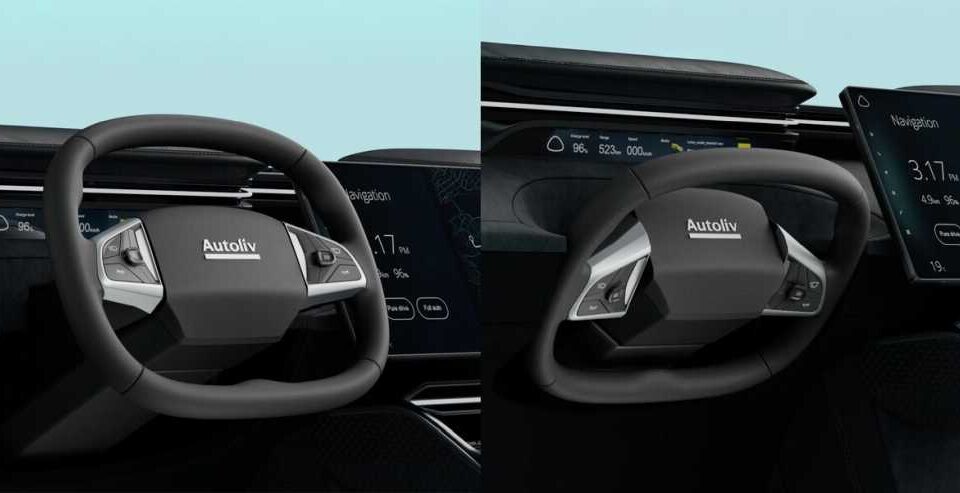
Autonomous driving technology is set to dominate CES in Las Vegas this week as investors place fresh bets on artificial intelligence to revive an industry weighed down by slow progress, high costs, safety incidents, and regulatory pressure.
CES has long offered a preview of where tech money is moving next. This year, the signal is unmistakable.
As the show opens, AI and self-driving systems have displaced electric vehicles as the main attraction. Automakers, suppliers, and startups are arriving with a shared pitch: autonomy has become the industry’s next major wager after years of expensive EV rollouts, uneven demand, and growing strain from policy shifts and trade headwinds.
For much of the past decade, CES doubled as a rolling auto show for electric vehicles. That momentum has stalled. Pullbacks in EV incentives under the Trump administration have cooled demand and forced carmakers to rethink timelines, budgets, and product roadmaps. Many of the biggest names will skip new EV launches entirely this year, a sharp break from recent CES cycles.
What fills that gap is AI-powered autonomy.
“This year you will see more and more focus on AI and autonomous,” C.J. Finn, U.S. automotive industry leader for PwC, told Reuters. He said how companies apply AI to deploy driverless systems safely will draw close scrutiny. “That connectivity on autonomous, I do think, will be front and center.”
The shift reflects a wider recalibration across the auto industry. After billions in EV write-downs, executives are chasing technologies that promise software margins, recurring revenue, and longer-term upside. Autonomous driving fits that profile, even after years of missed deadlines and public setbacks.
CES 2026 runs from Jan. 6 to 9 and remains one of the largest technology gatherings in the United States. Once known mainly for televisions, laptops, and consumer gadgets, the show has become a major stage for automotive strategy. That role looks different this year. Instead of shiny new EVs, exhibitors are pitching systems that reduce driver involvement or remove the driver entirely.
Suppliers are expected to announce new partnerships around sensors, chips, and vehicle software. Startups are showcasing stacks meant to handle perception, decision-making, and safety validation. The pitch to investors is familiar: autonomy can succeed where EV hype fell short.
The industry has reasons to tread carefully. High development costs, safety investigations, and regulatory hurdles have already wiped out several high-profile self-driving efforts. Many early leaders shut down or scaled back after collisions drew scrutiny from regulators and the public.
Recent progress has revived interest. Tesla rolled out a limited robotaxi service in Austin last year with safety monitors on board. Alphabet’s Waymo has expanded more quickly, offering fully driverless rides in select cities. Driver-assist systems have improved across personal vehicles, with hands-free highway driving and automated lane changes becoming more common. Some automakers, including Rivian, are targeting “eyes-off” driving and city-street automation.
“That’s starting to align with where people are putting forward their money and how they’re allocating capital,” Finn said.
AI’s presence at CES extends far beyond cars. Robotics, wearable devices, smart home hardware, and health technology are increasingly relying on machine learning. Nvidia CEO Jensen Huang and AMD CEO Lisa Su headline the conference, underscoring how central chips and AI infrastructure have become to the broader tech economy.
Cost pressure remains the shadow hanging over the show. Automakers are absorbing tariffs on vehicles and parts imported into the United States rather than passing them on to buyers, squeezing margins at a time when competition from Chinese manufacturers continues to grow.
“The main theme that we actually expect to see also popping up at CES is around cost and cost competitiveness,” said Felix Stellmaszek, global leader of the automotive and mobility sector at Boston Consulting Group.
CES has always been about promises. This year, the focus is less on electrification and more on the intelligence behind the wheel. The industry is betting that AI-driven autonomy can deliver returns where EV enthusiasm ran out of road.
Trending Now
Top Tech News Today, March 25, 2026