Meta acquires AI agent startup Manus for more than $2 billion
 Nickie Louise
Posted On December 30, 2025
Nickie Louise
Posted On December 30, 2025
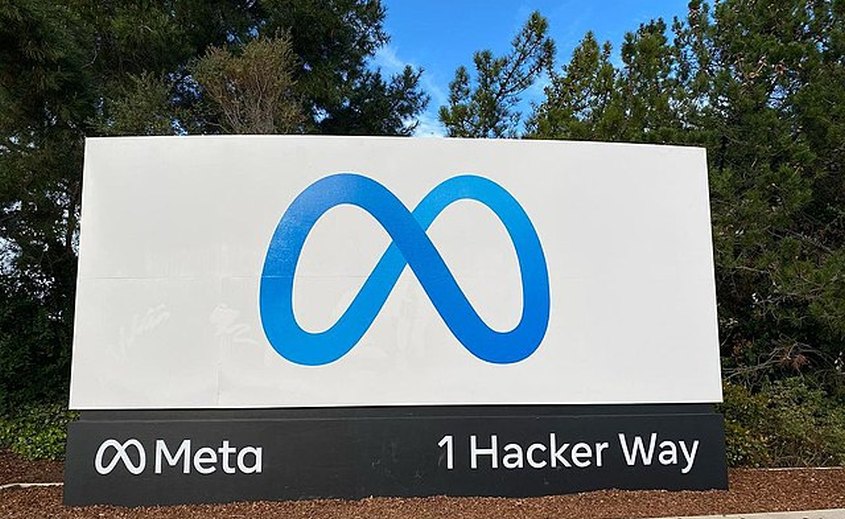
Meta just made one of its biggest AI bets yet — and it did not come from Silicon Valley.
The company has agreed to acquire Meta Platforms-backed AI agent startup Manus for more than $2 billion, the Wall Street Journal reported, citing people familiar with the deal. The agreement places a fast-growing, Asia-built AI product directly in Meta’s core product roadmap at a time when AI agents are becoming a high-stakes contest across Big Tech.
Manus was in the middle of raising fresh capital at a $2 billion valuation when Meta approached. Talks moved quickly. The acquisition now ranks among the most visible examples of a U.S. tech giant buying an AI product developed inside Asia’s startup ecosystem.
“Meta Platforms has agreed to acquire AI startup Manus, a Singapore-based company with Chinese founders that conducts deep research and performs other tasks for paying users. Meta is closing the deal at more than $2 billion,” the Wall Street Journal reported.
Meta Buys Singapore-Based AI Startup Manus in One of Its Largest AI Deals
Manus co-founder and CEO Xiao Hong, who goes by “Red,” will report to Meta chief operating officer Javier Olivan, people close to the matter said. Meta plans to keep Manus operating as a paid service and fold its capabilities into products used across Instagram, WhatsApp, and other platforms.
The startup gained attention earlier this year after previewing an AI agent that could produce detailed research reports and generate custom websites with minimal human input. The system relies on models from companies such as Anthropic and Alibaba, and the demo was released weeks after DeepSeek. This Chinese-built model rattled Silicon Valley with claims of strong performance built on lean compute budgets.
That timing mattered. AI agents are moving from demos to products, and Meta wants a firmer grip on that category as rivals push ahead. Microsoft already runs its Copilot assistant at a massive scale, and Google and OpenAI continue to roll out new agent-style tools. Owning Manus gives Meta a product that already attracts paying users, rather than a research effort waiting on commercialization.
Meta said it plans to scale the service for many more businesses. A spokesperson confirmed there will be no ongoing Chinese ownership after the transaction and that Manus will wind down any remaining operations tied to China. The startup has already shelved plans to build a China-specific version.
Markets welcomed the move. Meta shares rose about 1.3% in morning trading after news of the deal surfaced.
The acquisition fits into a broader reset under CEO Mark Zuckerberg, who kicked off an aggressive hiring push earlier this year after internal delays slowed the rollout of a new AI model. Meta has poured money into talent, infrastructure, and acquisitions as it seeks to remain competitive in a field that now rewards scale, speed, and products people use daily.
The news comes less than a month after Meta acquired AI wearable startup Limitless, part of a broader push into smart wearables and personal superintelligence.
That push already included a 49% stake in Scale AI, a deal that valued the company at $29 billion and brought founder Alexandr Wang into Meta as its chief AI officer.
Manus brings a different asset: traction. The company has attracted millions of users since its spring launch, with a growing share of users paying for research, coding, and analysis tools. In December, Manus crossed $100 million in annual recurring revenue, less than a year after launch. Around that time, Meta began acquisition talks, according to people familiar with the process.
The startup raised $75 million in April in a round led by Benchmark, which at the time valued it at roughly $500 million. Other backers include HSG, ZhenFund, and Tencent. Benchmark partner Chetan Puttagunta joined the board following the investment, a decision that later drew scrutiny from U.S. lawmakers focused on China-linked AI ventures.
Manus operates under the parent company Butterfly Effect, which was founded in 2022 and has roots in Beijing and Wuhan. Most of its early research team was based in China, though the product was launched internationally because it relied on U.S. models unavailable there. After the Benchmark round, the company moved its headquarters to Singapore, where most of its roughly 100 employees now work.
“Joining Meta allows us to build on a stronger, more sustainable foundation without changing how Manus works or how decisions are made,” Xiao said in a statement announcing the deal.
For Meta, the appeal is clear. AI agents are shifting from experiments into revenue-generating products, and Manus arrives with users, income, and momentum. For the wider industry, the deal sends a sharp signal: the race for AI agents is global, and Meta is ready to buy its way into the lead.
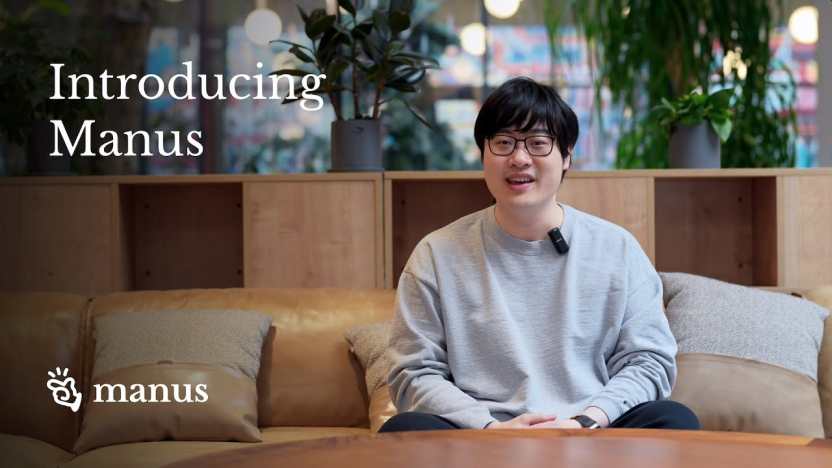
Manus co-founder Yichao “Peak” Ji.
Trending Now
Top Tech News Today, March 25, 2026