Instacart ends controversial AI pricing experiments after consumer backlash and FTC scrutiny
 Nickie Louise
Posted On December 23, 2025
Nickie Louise
Posted On December 23, 2025
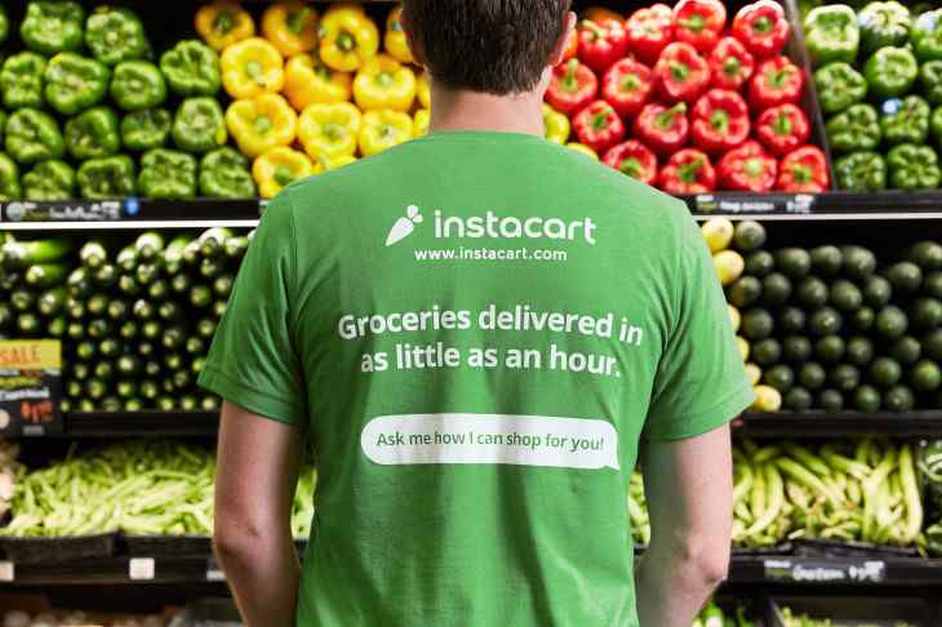
Instacart said Monday it is ending its use of artificial intelligence-driven pricing experiments, drawing a clear line under a practice that had triggered consumer frustration, political criticism, and federal attention. The company confirmed that retailers will no longer be able to run item-level pricing tests through its Eversight software, with the change taking effect immediately.
The move comes after weeks of mounting pressure stemming from a study showing shoppers paying different prices for identical items from the same store. Lawmakers seized on those findings, raising questions about whether algorithmic pricing tools were quietly shifting costs onto households already stretched by grocery inflation.
In a blog post, Instacart acknowledged the backlash and admitted the tests fell short of customer expectations. “Over the past couple weeks, there’s been a lot written about Instacart and how pricing works on our platform. Some of that coverage raised fair questions. Much of it included misconceptions and misinformation about what we do – and don’t do – when it comes to prices. But here’s one fact we want to be clear about: Our customers have high expectations for Instacart. And for some, we fell short of those expectations,” the company wrote.
The company said the pricing experiments involved a limited group of retail partners, yet the outcome proved damaging. Shoppers found that the same item could have different prices in the app, even within the same store. Instacart conceded that this outcome undermined trust at a moment when families are watching every dollar.
“We’ve listened carefully to feedback from our customers. And we understand that the tests we ran with a small number of retail partners that resulted in different prices for the same item at the same store missed the mark for some customers,” the company said. “At a time when families are working exceptionally hard to stretch every grocery dollar, those tests raised concerns, leaving some people questioning the prices they see on Instacart. That’s not okay – especially for a company built on trust, transparency, and affordability. That’s why, effective immediately, Instacart is ending all item price tests on our platform. Retailers will no longer be able to use Eversight technology to run item price tests on Instacart.”
Instacart acquired Eversight in 2022 for $59 million, pitching the software as a way for retailers to study how shoppers respond to price changes. At the time, the company said the technology would help boost sales growth and surface better deals. That framing unraveled earlier this month after Consumer Reports and partner organizations published research showing price swings of roughly seven percent for the same basket of goods at a single store. Over a year, that gap could push grocery costs more than $1,000 higher for some households.
Instacart pushed back against claims that the system amounted to surveillance pricing or personalized price targeting. The company said the tests did not rely on personal, demographic, or individual user data, and reiterated that retailers control the prices shown on the app. Those explanations did little to quiet regulators.
Reuters reported last week that the Federal Trade Commission sent Instacart a civil investigative demand tied to its pricing practices. The inquiry landed just days after the company agreed to pay $60 million in refunds to settle separate FTC claims related to subscription sign-ups and advertising tied to its satisfaction guarantee. Instacart denied wrongdoing in that case and said it had already addressed questions about its AI pricing tools as part of the settlement process.
The episode adds to a broader reckoning around algorithmic pricing across consumer platforms. What once sounded like optimization now feels more like a public trust issue, especially in categories tied to everyday essentials. Instacart’s decision to shut down the tests signals a reset, even as regulators continue to probe how far automated pricing systems should be allowed to go.
For Instacart, the risk extends beyond fines or investigations. Grocery delivery depends on confidence that prices make sense at a glance. Once that confidence cracks, restoring it becomes more complicated than rolling out the next feature. Ending the experiments closes one chapter, though scrutiny around platform pricing is far from over.

Trending Now
Top Tech News Today, May 5, 2026