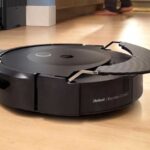
iRobot files for bankruptcy after Amazon deal collapse and rising competition from cheaper rivals
Posted On December 15, 2025
0
903 Views
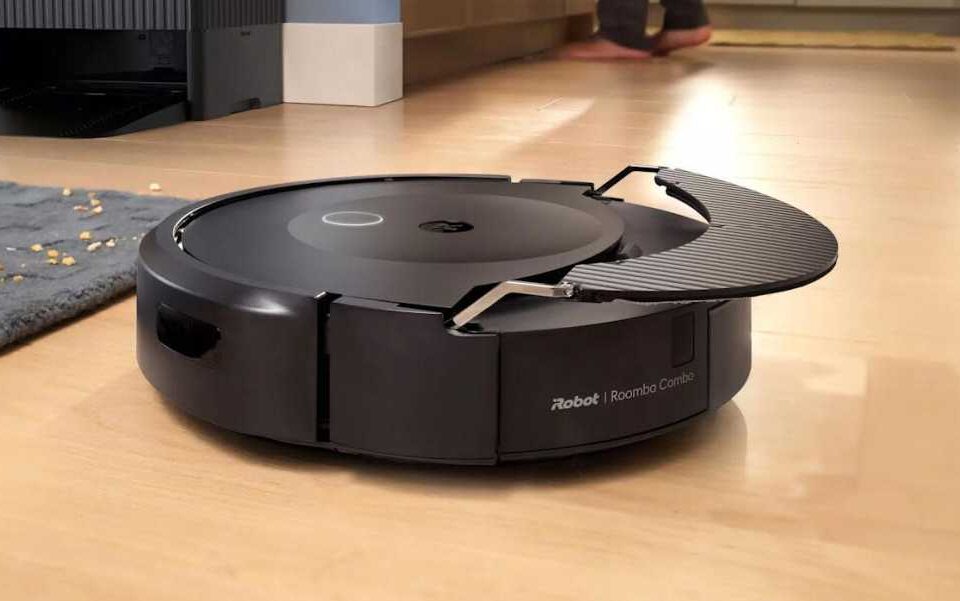
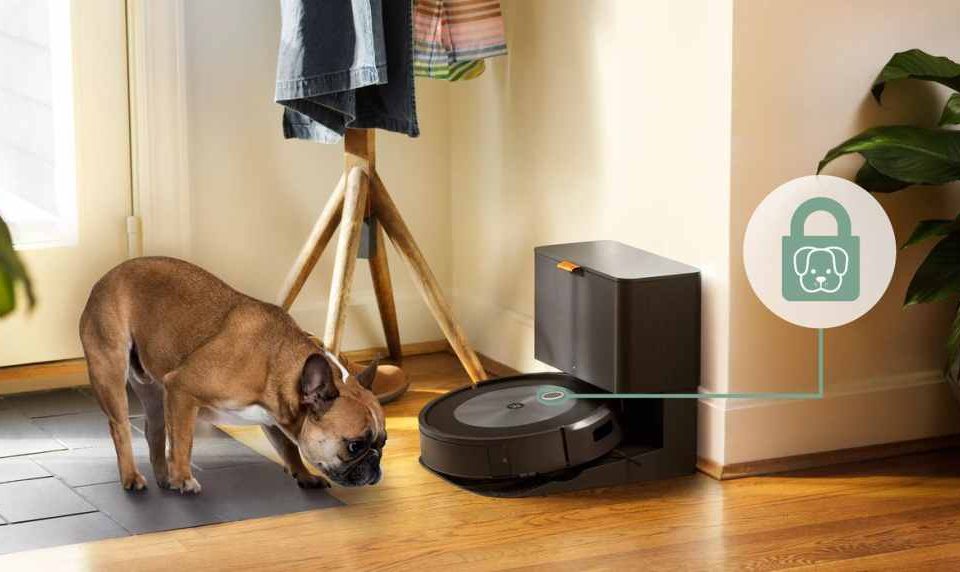
iRobot, the company behind the Roomba robotic vacuum, filed for Chapter 11 bankruptcy protection on Sunday, marking a sharp turn for one of consumer robotics’ most recognizable brands. The filing clears the way for the company to go private under the ownership of Picea Robotics, its primary manufacturing partner.
The move follows months of uncertainty. In March, iRobot warned investors that its ability to stay in business was under pressure. That pressure has since intensified as lower-priced rivals gained ground and new U.S. tariffs pushed costs higher. The bankruptcy case was filed in Delaware.
“iRobot, the maker of the Roomba vacuum cleaner, filed for bankruptcy protection on Sunday, saying that it would go private after being bought by Picea Robotics, its primary manufacturer. The company, which raised concerns about staying in business in March, filed for Chapter 11 protection in Delaware bankruptcy court as it grapples with increased competition from lower-priced rivals and new U.S. tariffs,” CNBC reported.
iRobot reported about $682 million in revenue for 2024. Sales held up in core markets such as the United States and Japan, yet profits declined as competitors, including China-based Ecovacs Robotics, offered lower-priced alternatives. Court filings show that iRobot cut prices and invested in product upgrades to defend its position, a strategy that strained its finances.
Trade policy added another blow. A 46% U.S. tariff on imports from Vietnam, where iRobot manufactures vacuum cleaners for the U.S. market, increased costs by roughly $23 million in 2025. Company filings indicate that the added expense complicated planning at a time when margins were already under pressure.

The company’s balance sheet tells a similar story. iRobot carries about $190 million in debt, much of it tied to a 2023 loan used to refinance operations. That refinancing occurred as European regulators reviewed Amazon’s proposed $1.4 billion acquisition of iRobot, a deal that later collapsed. Once the acquisition fell through, iRobot struggled to meet its obligations to Picea under its manufacturing agreement.
Court documents show that Picea later acquired iRobot’s debt from investment funds managed by the Carlyle Group. Under the proposed bankruptcy plan, Picea will take full ownership of iRobot, repay the remaining $190 million on the 2023 loan, and extinguish another $74 million owed under the manufacturing deal. Other creditors and suppliers are expected to be paid in full.
iRobot said the restructuring should not disrupt its mobile app, customer programs, supply chain relationships, or product support. The company plans to continue operating as it works through the Chapter 11 process.
The filing underscores how far the company has fallen from its pandemic-era peak. In 2021, iRobot was valued at about $3.56 billion as stay-at-home demand boosted sales of household automation. Today, its value sits closer to $140 million, according to LSEG data.
Founded in 1990 by three MIT roboticists, iRobot began with defense and space projects before introducing the Roomba in 2002. The device quickly became a household name. iRobot still holds an estimated 42% share of the U.S. robotic vacuum market and about 65% in Japan, according to court records.
iRobot is headquartered in Bedford, Massachusetts, and employs 274 people. The bankruptcy marks a reset for a pioneer of consumer robotics, one now reshaped by global competition, shifting trade rules, and the collapse of a deal that once promised a very different future.