Elon Musk’s X fined $140 million by European Commission over transparency violations and beaching content rules
 Daniel Levi
Posted On December 5, 2025
Daniel Levi
Posted On December 5, 2025
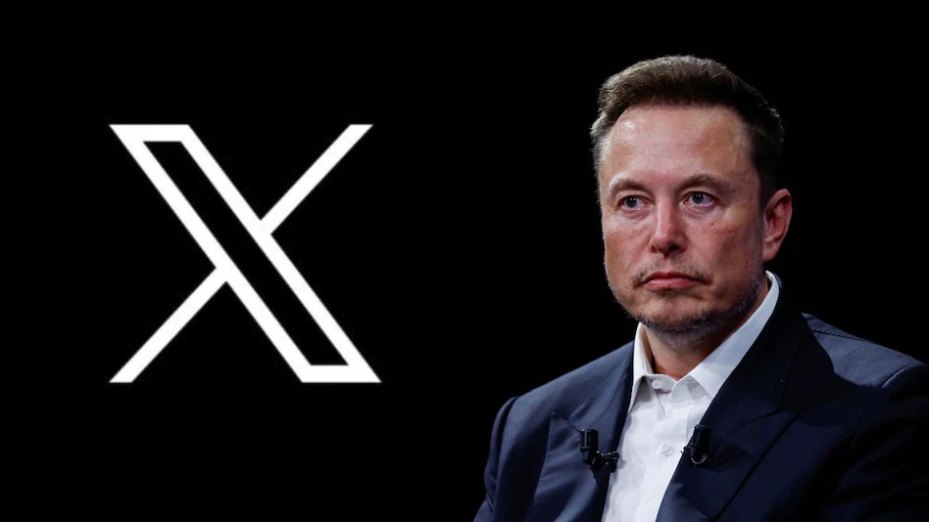
Elon Musk’s X has been hit with a $140 million penalty from the European Commission after regulators concluded the social platform breached key requirements of the Digital Services Act, the EU’s sweeping rulebook for online platforms. The fine marks the first major enforcement action against X under the DSA and lands at a moment when tensions between Brussels and Washington over tech regulation continue to flare.
“Elon Musk’s social media company X was fined 120 million euros ($140 million) by EU tech regulators on Friday for breaching EU online content rules, the first sanction under landmark legislation which will likely draw the U.S. government’s ire,” Reuters reported.
The Commission’s investigation spanned two years and focused on X’s approach to transparency, advertising practices, and how the platform signals credibility to users.
Regulators said X failed to provide researchers with proper access to public data, maintained an ad repository that lacked the visibility required under the law, and used what they described as “deceptive design” in its blue checkmark system, which they said could mislead EU users about whether an account was genuinely verified.
EU Hits Elon Musk’s X With $140M Fine: Here’s What Triggered It
Henna Virkkunen, the EU’s tech chief, pushed back on claims that the fine amounts to censorship, saying the case rests on enforcement of longstanding rules aimed at protecting users. “We are not here to impose the highest fines,” she told reporters. “We are here to make sure that our digital legislation is enforced and if you comply with our rules, you don’t get the fine. And it’s as simple as that.” She added that upcoming cases tied to other platforms charged with DSA violations will move faster than the X inquiry.
The decision arrives as political pressure builds on both sides of the Atlantic. Before the ruling, U.S. Vice President JD Vance accused the EU of unfairly targeting American companies, writing on X that the bloc was preparing to punish the platform “for not engaging in censorship.” His comments echo a long-running complaint from U.S. officials who see Europe’s regulatory strategy as overly aggressive toward American tech firms. EU officials counter that the DSA applies equally across regions and companies, regardless of ownership.
X now has between 60 and 90 working days to propose fixes, depending on the issue. The company did not respond to a request for comment. The Commission stressed that this decision covers only part of its ongoing oversight. Separate probes continue into X’s handling of illegal content, efforts to curb information manipulation, and enforcement of youth safety rules. Those cases could lead to more action if regulators find other gaps.
TikTok, which faced its own DSA investigation, avoided a fine after agreeing to expand transparency in its ad library. Regulators said several other companies—including Meta and Temu—remain under scrutiny for potential rule breaches related to transparency, illegal goods, and user protection.
DSA penalties can reach 6 percent of a company’s annual global revenue, placing significant pressure on large platforms to comply. For X, this $140 million fine signals that European regulators intend to enforce the law with real consequences and that transparency will remain a defining test for how global platforms operate in the EU’s digital market.
Trending Now
Top Tech News Today, March 25, 2026