AI discovery startup Azoma raises $4M to help brands stay visible as AI agents replace traditional search
 Nickie Louise
Posted On December 4, 2025
Nickie Louise
Posted On December 4, 2025
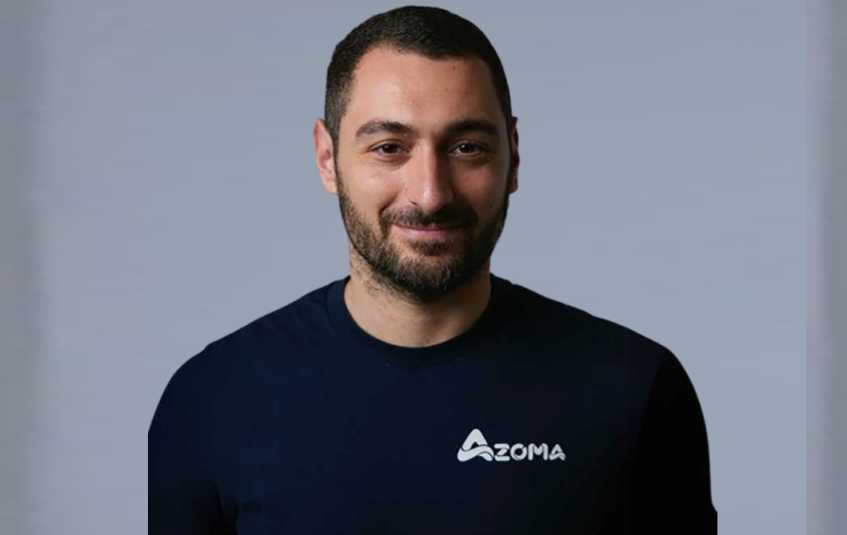
Azoma, a London- and Toronto-based AI startup building technology for the AI-search era, has raised a $4 million pre-Series A round as brands race to understand how they show up in answers generated by ChatGPT, Gemini, Amazon Rufus, and other conversational systems that are beginning to influence buying decisions.
The raise follows a stretch of strong commercial traction for the company, including seven-figure revenue over the past 10 months and profitability earlier this year. Investors in the round include Ignite Ventures, Rank Ventures, eBay Ventures x Techstars, Twinpath, MaRS IAF, strategic angels across retail and AI, and non-dilutive funding.
Azoma sits in a growing category shaped by a simple shift: consumers are moving away from search results and into AI-driven recommendations. Research cited by the company says more than half of shoppers already use AI tools as part of their buying process. Amazon’s CEO Andy Jassy recently said buyers who use its assistant, Rufus, are “60% more likely to purchase,” adding that the system could generate “over $10 billion in incremental annualized sales.” That kind of signal has turned AI discovery into a new priority for consumer brands that once relied on search, SEO, and marketplace listings to shape demand.
“We’re helping the world’s most recognizable brands to stay relevant in the era of AI search,” Max Sinclair, the CEO and cofounder of Azoma, told Business Insider.
Max Sinclair, Azoma’s co-founder and CEO and a former Amazon executive, said the shift is bigger than a UI update. He believes consumers are entering an era where virtual agents will take over most shopping tasks. “In a year or two, most of our day-to-day shopping will be done by virtual AI Agents,” Sinclair said. “In five years or so, we will see AI embedded directly physically into appliances, from smart mirrors, recommending skincare, to smart toilets analysing biometrics to optimise diets.”
With AI agents replacing traditional search, profitable AI search startup Azoma raises $4M to boost brand visibility on ChatGPT and Amazon Rufus
This shift has created an urgent need for brands to understand how AI systems describe, rank, and source them. Azoma claims to offer the first vertically integrated GEO/AEO platform built for retail and CPG companies, supported by two patents covering AI brand monitoring and AI product content creation. Brands such as Mars, Colgate, Zappos, P&G, Reckitt, Beiersdorf, and Canadian Tire already use the system to track their presence across major models and publish optimized content with one click.
Mars’ Global Connected Commerce Lead, Saumya Kowtha, said the company sees Azoma as a partner that brings both technical depth and the urgency needed to keep pace with the shift in consumer behavior. “We feel better equipped to take on AI. This funding milestone is a testament to the extraordinary momentum they’re building.”
One feature that has drawn attention from enterprise clients is Azoma’s “digital twin simulation,” a system that predicts how AI models are likely to respond before brands push new content live. This gives marketers a clearer view of how product descriptions, attributes, and data quality influence the answers consumers will see.
John Spindler, General Partner at Twinpath Ventures, said Azoma’s work is landing at the exact moment brands are rethinking how they present their value to AI systems. “Azoma’s unique combination of deep industry understanding and State-of-the-Art AI has enabled their clients to adapt to the seismic change of LLM-powered search,” Spindler said. He added that the company’s technology is helping long-established consumer brands protect decades of accumulated trust while reaching shoppers through a new discovery layer.
For Sinclair, the larger story is about staying visible in channels brands don’t fully control. Traditional search gave companies levers they could pull: SEO, paid campaigns, metadata, and review strategies. AI-driven answers compress those layers into a single output box. Azoma’s pitch is that without intervention, brands risk being misrepresented, deprioritized, or overlooked entirely as AI agents take over more of the buying workflow.
“Who knows what the world will look like in fifty years,” Sinclair said. “Azoma will be the partner of choice for the world’s most loved consumer brands through all of these changes to ensure they remain discoverable and dominant.”
The new funding will go toward expanding the platform, scaling engineering teams, and deepening coverage across the models and marketplaces that shape AI-first commerce.
Trending Now
Top Tech News Today, March 25, 2026