Anthropic acquires Bun to supercharge Claude Code in its first-ever acquisition
 Nickie Louise
Posted On December 2, 2025
Nickie Louise
Posted On December 2, 2025
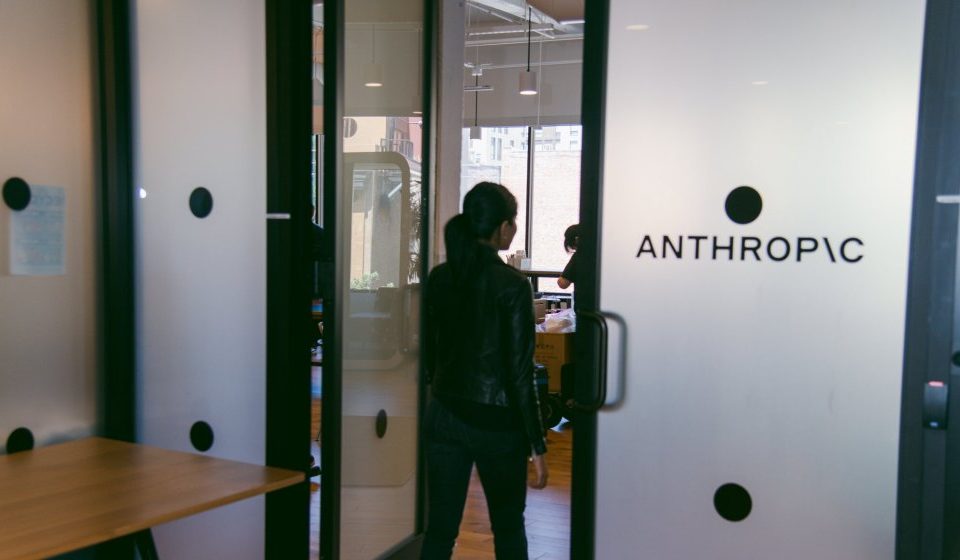
Anthropic is moving deeper into the AI developer tools space, and its next step may be its boldest one yet. The company has acquired Bun, the high-performance JavaScript runtime that’s become a favorite among developers who want faster build and execution speeds.
Bun confirmed the acquisition in an announcement on its website that it has been acquired by Anthropic. This marks the Anthropic’s first acquisition since its founding in 2021 and is a strong signal that the company wants Claude Code to sit at the center of the next generation of AI-driven software development.
The Information broke the news Monday, reporting that the deal could value Bun in the low hundreds of millions of dollars. People familiar with the discussions told the outlet that Bun’s runtime could deliver a noticeable performance boost, especially in areas where speed bottlenecks slow agentic workflows. Claude Code already integrates with terminals and IDEs, and adoption has ballooned as developers lean on it to automate debugging, refactoring, testing, and routine Git tasks.
“Anthropic is in advanced discussions to buy Bun, a maker of software used to run and manage code more efficiently,” The Information reported, citing a person familiar with the ongoing talks.
Following a report from The Information, Bun announced on its website that Anthropic had acquired it.
“Bun has been acquired by Anthropic. Anthropic is betting on Bun as the infrastructure powering Claude Code, Claude Agent SDK, and future AI coding products & tools,” Bun said in a blog post.
Anthropic Makes Its First-Ever Acquisition: Buys Developer Tools Startup Bun to Supercharge Claude Code
Bun’s rise has been fast. Jarred Sumner started the project in 2021, aiming to build a lean, ultrafast alternative to Node.js. Bun’s Zig-based runtime delivers eye-catching speed improvements—often claiming up to 4x faster execution for JavaScript and TypeScript apps. Its built-in bundler, test runner, and package manager have only helped its momentum. Investors like Pauline Yacoubian and Sequoia Capital have backed Bun with more than $30 million, and the project has grown a dedicated open-source community. For Anthropic, the acquisition would bring in both technology and a developer ecosystem already aligned with the needs of high-performance agentic systems.
The timing matters. Claude Code has surged to an annualized revenue of $1 billion, according to sources cited by The Information. The tool’s agentic structure—allowing it to explore large codebases, edit files, and commit changes on its own—has made it a staple for teams that manage sprawling internal repositories. TechCrunch covered the product’s expansion in October, when Anthropic brought Claude Code to the web and claimed that about 90% of the product itself was generated by AI. Early enterprise users, including engineering teams at Uber and Rakuten, have credited it with handling multi-hour refactors and cutting vulnerability detection times by up to 44%.
The broader market shows why Anthropic is pushing so hard. The AI coding tools sector is projected to grow from $3.1 billion in 2025 to $99.1 billion by 2034, and competition is intensifying. Anthropic, valued at $61.5 billion after raising a massive Series E in March, has shifted much of its commercial focus toward enterprise customers. More than 60% of them now use multiple Claude products, from the chatbot to specialized coding agents. Forbes recently highlighted this pattern, noting that companies like Uber have begun building custom internal tools on Anthropic’s APIs to speed up long-standing workflows.
Bun’s runtime could address some of the trickier performance issues associated with agentic coding. Anthropic’s own engineering blog has highlighted how tools like the Claude Agent SDK depend on fast runtimes to juggle subagents, parallel operations, and long chains of file edits without lag. With Bun’s speed, those systems could approach real-time execution. As one industry analyst told CNBC, “This is about giving developers superpowers.”
The deal still faces obstacles. AI-focused mergers have caught the attention of regulators, and the FTC has increased its scrutiny of acquisitions that could concentrate too much influence in core software infrastructure. Anthropic has already been watched closely because of its deep partnerships with Amazon and Google. Bun’s open-source roots present another layer of uncertainty, as its community values transparency and independence. Even so, Sumner has shown openness to strategic collaborations in the past.
Developers didn’t wait for confirmation to react. Techmeme picked up The Information’s report quickly, and X (formerly Twitter) filled with speculation about how Bun’s runtime could push Claude’s agentic abilities further—especially alongside the beta features for dynamic tool discovery. One developer from Japan called the potential deal the beginning of “agentic coding mainstream,” predicting a shift from AI assistance to full autonomy.
If Anthropic completes the acquisition, it will tighten the race currently led by Anthropic, OpenAI, and Google. Claude Sonnet 4 already tops coding benchmarks like SWE-bench with a 72.7% score, and controlling the runtime layer could give Anthropic an edge. Claude Code wouldn’t just write and edit code—it would run it with far less friction.
Anthropic declined to comment on the talks, and Bun did not respond to requests for confirmation. The deal isn’t done, but the message is clear: in the AI race, the advantage goes to whoever can ship faster than everyone else.
Trending Now
Top Tech News Today, March 25, 2026