Crusoe raises $1.37B in funding at $10 B valuation to build gigawatt-scale AI data centers
Posted On October 24, 2025
0
2.1K Views
Crusoe, the startup calling itself “the AI factory company,” has raised a staggering $1.37 billion in Series E funding co-led by Valor Equity Partners and Mubadala Capital, pushing its valuation above $10 billion. The new round cements Crusoe’s rise as one of the most capitalized players in the AI infrastructure race—a company betting that solving AI’s biggest bottleneck isn’t software, but power.
The fresh funding comes just five months after the AI infrastructure startup raised $11.6 billion in funding to build OpenAI’s largest data center in Texas.
The $1.37 billion round was oversubscribed, bringing together a who’s who of tech and institutional investors, including NVIDIA, Founders Fund, T. Rowe Price, Tiger Global, Salesforce Ventures, and Franklin Templeton, alongside dozens of others. Funds managed by Blue Owl are also expected to join in a later closing. Crusoe has raised about US$3.9 billion in equity funding to date.
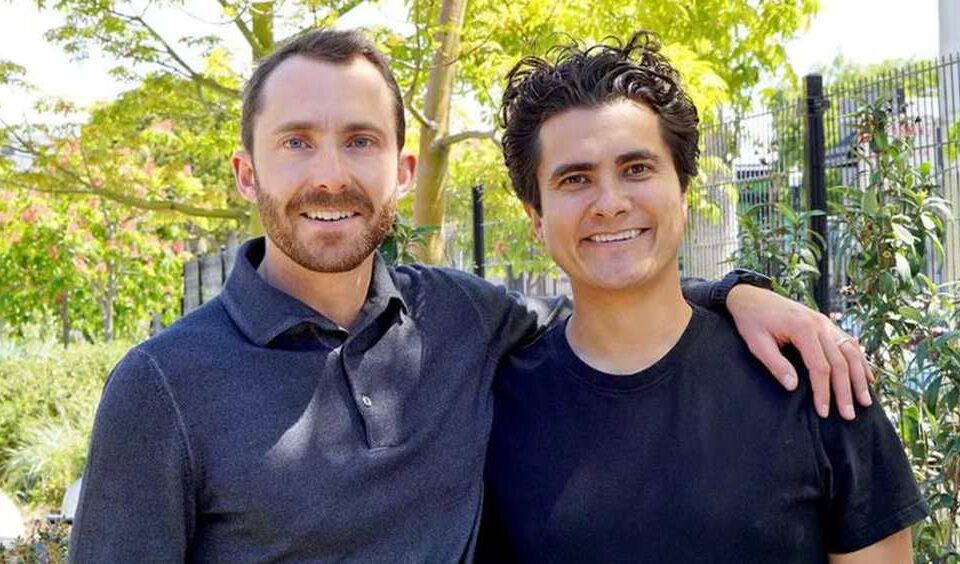
Founded by Chase Lochmiller and Cully Cavness, Crusoe builds massive data centers that run on clean energy sources, aiming to make the next generation of AI computation more scalable and environmentally responsible. Lochmiller, a former hedge-fund quant turned entrepreneur, now leads a company sitting at the intersection of AI and energy—an intersection that’s becoming more critical as the global demand for GPUs pushes power grids to their limits.
Crusoe didn’t start out in AI. Launched in 2018, the company made a name for itself by using stranded natural gas to run crypto mining rigs. But as demand for AI compute skyrocketed, Crusoe shifted gears and leaned into building high-performance infrastructure for training large-scale models.
That pivot is clearly paying off. Crusoe has since landed major partnerships with Oracle, Microsoft, and now OpenAI.
Crusoe’s vertically integrated approach sets it apart from traditional data-center operators. Instead of relying on outside vendors for power, construction, and cloud services, the company controls the entire process—from sourcing energy to building facilities and delivering cloud compute. That model has allowed Crusoe to move faster and build bigger, cutting months off traditional timelines.
The company recently brought online the first phase of its 1.2-gigawatt campus in Abilene, Texas, just a year after breaking ground. Another 1.8-gigawatt project in Wyoming is already underway, part of a growing network that totals more than 3.4 gigawatts of capacity across sites in the U.S. and abroad. Crusoe has also been scaling its AI cloud platform, Crusoe Cloud, which provides GPU-optimized compute for startups and enterprises alike—serving names such as Cursor, Decart, Fireworks, Odyssey, and Together AI.
“Advances in AI will usher in an era of AI-driven abundance, leading to new scientific breakthroughs and unprecedented economic growth and human prosperity,” said Lochmiller. “However, the pace of progress is constrained by bottlenecks in energy and compute. Crusoe is in the business of activating energy for intelligence and helping the greatest innovators of our generation build the future faster.”
The funding follows a year of major expansion. Crusoe’s power pipeline has quadrupled to 45 gigawatts, supported by partnerships with Tallgrass, Redwood Materials, Lancium, and others. Its customer base grew more than sevenfold over the past year, and it now employs over 1,000 people. The company also acquired Atero, a GPU-management startup focused on memory optimization for AI workloads—technology that’s already feeding into Crusoe Cloud’s managed services.
As part of its focus, Crusoe exited its Bitcoin-mining business earlier this year, selling those operations to NYDIG to concentrate fully on AI infrastructure. It’s also expanded internationally, adding capacity in Norway and Iceland and opening offices in Dublin, Sunnyvale, and Tel Aviv.
Crusoe’s message to investors and customers is straightforward: the AI boom can’t continue without an equal boom in energy and compute capacity. By combining both, Crusoe hopes to become the factory floor where the next generation of AI models is built.

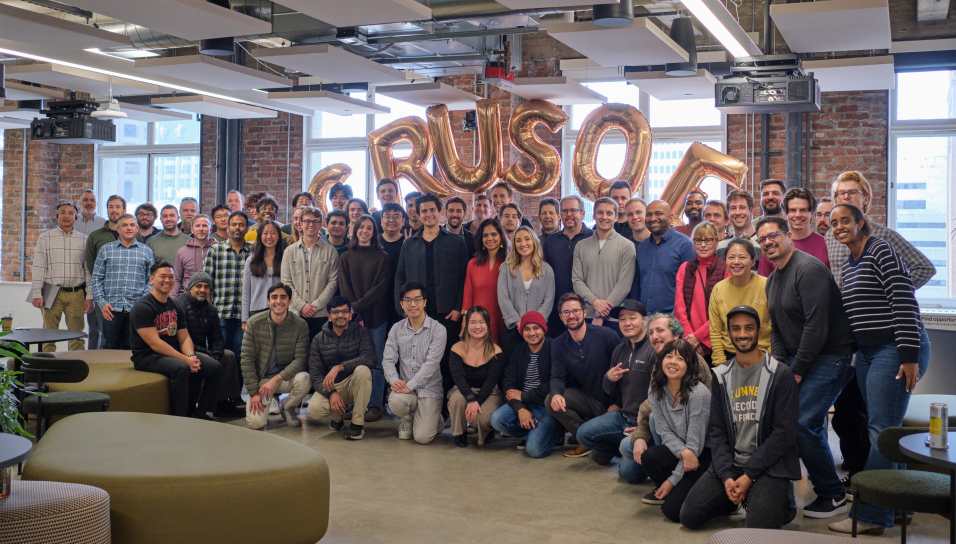
Cruisoe Team