Brookfield invests $5 billion in Bloom Energy to power AI data centers with clean fuel cells

Posted On October 13, 2025
0
1.1K Views
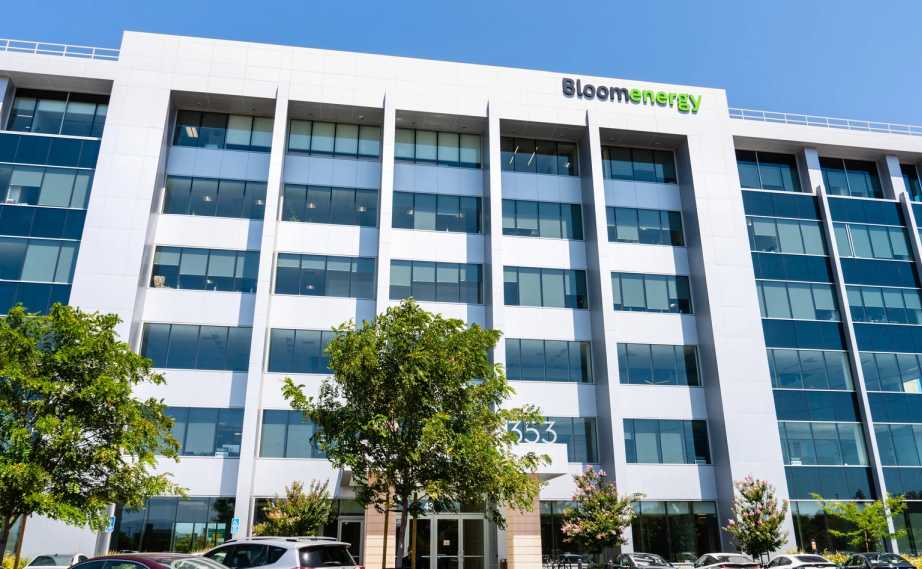
The race to build cleaner and smarter data centers just got a major boost. Brookfield Asset Management announced on Monday that it’s investing $5 billion in Bloom Energy to use the company’s fuel cell technology for powering AI-driven data centers. The move signals a new phase in how the AI infrastructure boom is being built—cleaner, faster, and more self-reliant.
The deal marks the first step in what both companies describe as a shared vision to build “AI factories” capable of handling the immense computing and energy demands of artificial intelligence. Brookfield, one of the world’s largest infrastructure investors, brings deep experience in financing and developing massive projects. Bloom Energy provides the tech muscle—its fuel cells can generate clean, reliable onsite electricity without depending on traditional power grids.
At the center of this partnership is a bold idea: data centers that function like factories. “AI infrastructure must be built like a factory—with purpose, speed, and scale,” said KR Sridhar, Founder, Chairman and CEO of Bloom Energy. “Unlike traditional factories, AI factories demand massive power, rapid deployment and real-time load responsiveness that legacy grids cannot support. The lean AI factory is achieved with power, infrastructure, and compute designed in sync from day one.”
That idea has growing appeal. As artificial intelligence drives a global surge in data center construction, the energy demand is surging with it. Analysts estimate that by 2035, AI data centers in the U.S. could consume more than 100 gigawatts of power—a staggering increase that will strain existing grids. Fuel cells are emerging as one of the few technologies capable of meeting that demand sustainably, producing electricity through chemical reactions rather than combustion, with water and heat as byproducts.
Brookfield’s Global Head of AI Infrastructure, Sikander Rashid, framed it bluntly: “Behind-the-meter power solutions are essential to closing the grid gap for AI factories.” He added that Bloom’s fuel cells give Brookfield “the unique capability to design and construct modern AI factories with a holistic and innovative approach to power needs.”
The companies are already collaborating on multiple AI infrastructure projects around the world, including a flagship site in Europe expected to be announced later this year. The partnership also ties into Brookfield’s larger AI infrastructure strategy, which targets large-scale investments in power, compute, and data center systems. Earlier this year, the firm unveiled plans for an AI data center cluster in Sweden worth nearly $10 billion and committed €20 billion for AI-related projects in France.
Bloom Energy isn’t new to the data center space. Its fuel cell systems are already powering critical digital infrastructure for major players such as American Electric Power, Equinix, and Oracle. But the Brookfield deal is a leap in scale—one that positions Bloom at the heart of a cleaner and more resilient AI infrastructure movement.
For Brookfield, which manages over $550 billion in assets worldwide, this is part of a broader push into digital and energy infrastructure. The firm has made a series of strategic plays in recent years, investing in companies like Compass Datacenters, Duke Energy Florida, and Colonial Enterprises, while also striking a landmark agreement to supply Google with up to 3 gigawatts of hydro power in the U.S.
The partnership with Bloom Energy aligns both ambition and necessity. As AI’s energy appetite continues to grow, the industry faces a simple question: where will all that power come from? Brookfield and Bloom are betting that the answer lies not in the grid of the past, but in new, self-sufficient energy systems built for the future.